The graveyard surrounding St. Mary’s church in Brancaster has been closed for burials since the 19th century. A new graveyard was identified on the Docking Road, a short distance from the church, which still has a wheeled carriage once used to take coffins for burial following the service. On the railings at the front of the cemetery is a plaque “Commonwealth War Graves”, announcing that two service people are buried and commemorated there. The burials are Phyllis Mary Duffield, Aircraftswoman 2nd Class, who died on 2nd March 1942 in Lancashire, and Pilot Officer Basil Lincoln Fox of 224 Squadron, who died on 11th January 1941 in North Yorkshire. What are the stories of these two people, and why are they buried in Brancaster?
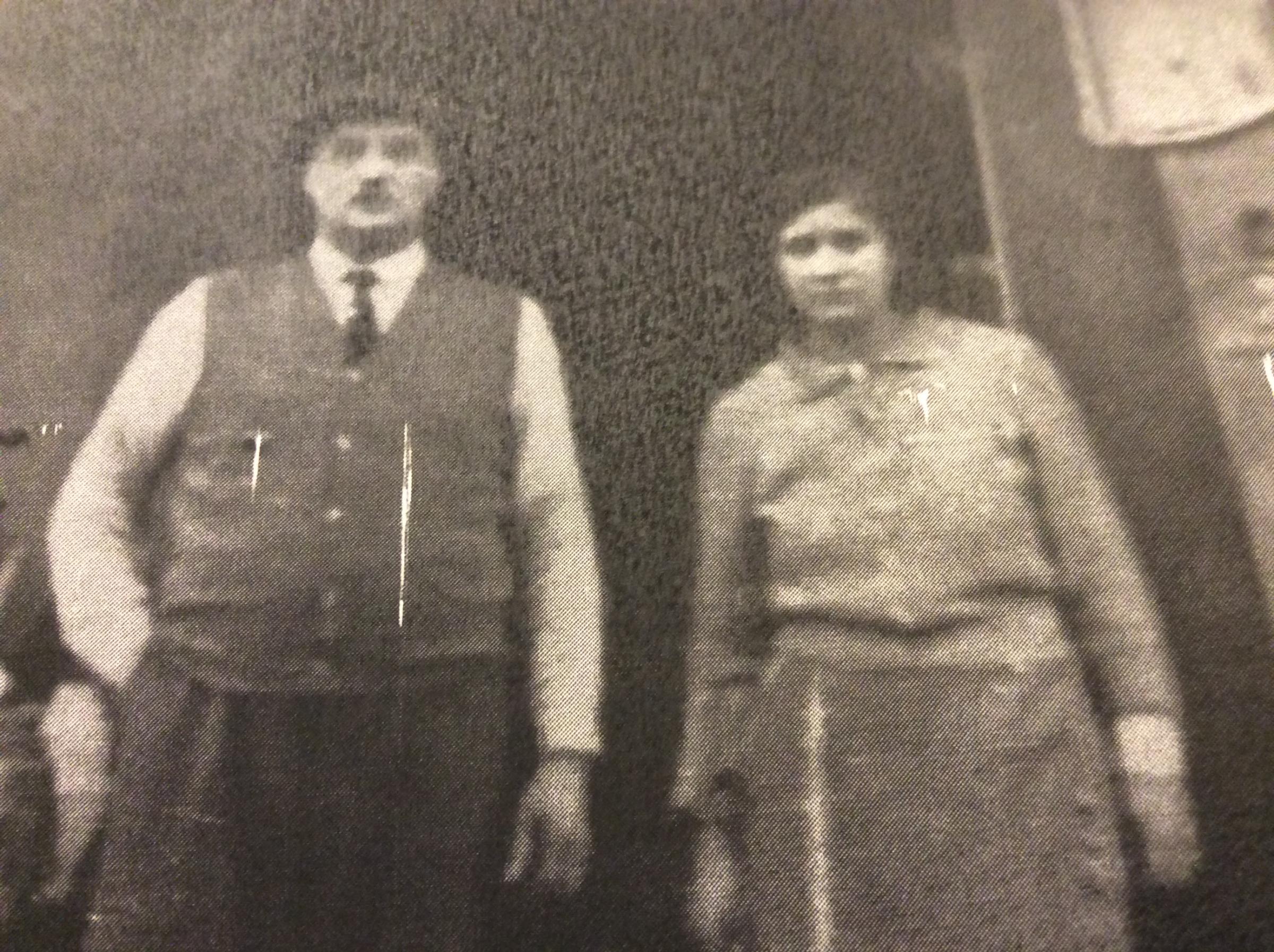
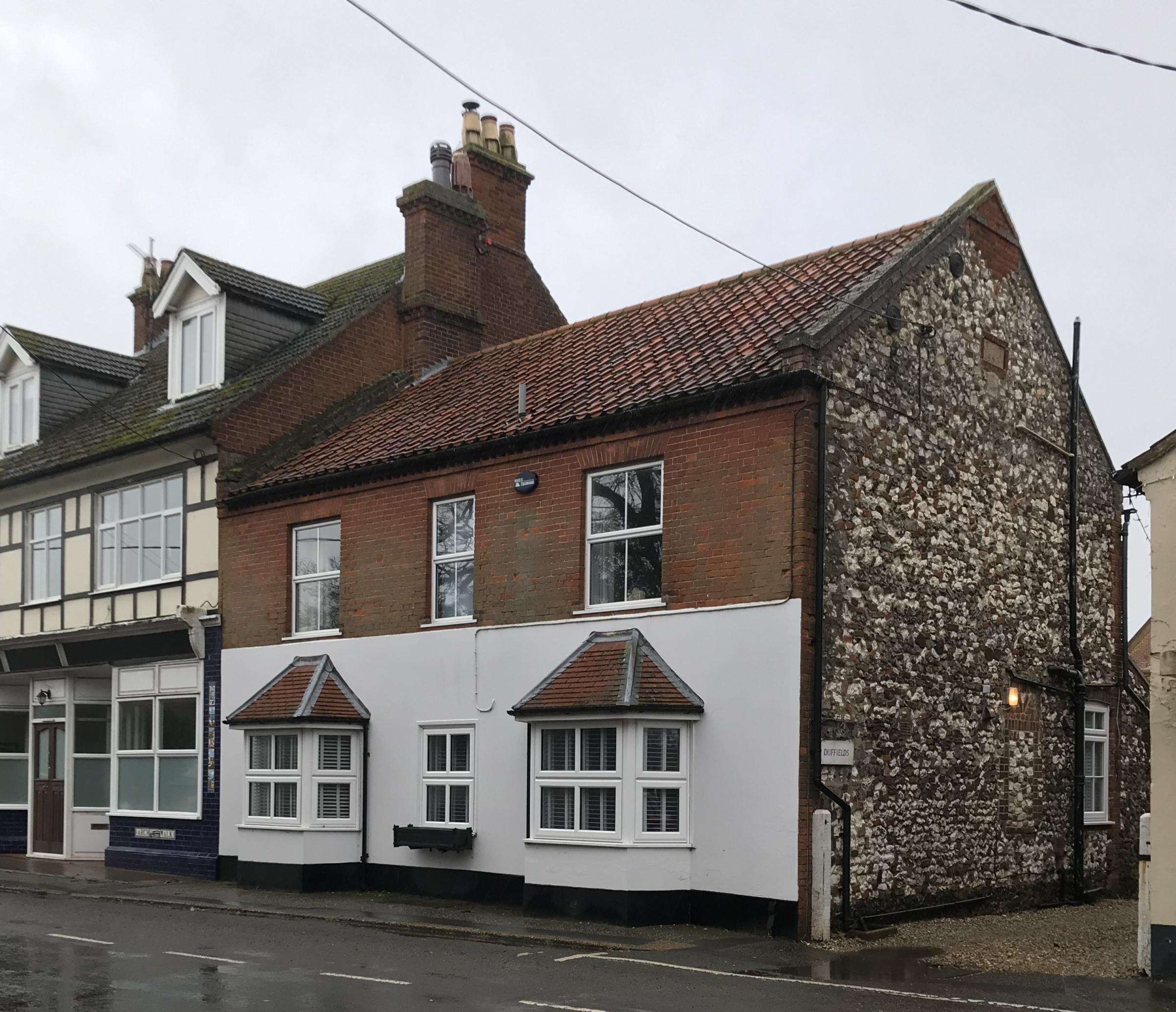
Phyllis Duffield was a resident of Brancaster for much of her early life., The Duffields, Herbert and his wife Sarah, lived in Brancaster and ran a shop in the middle of the village; although the shop has since been converted for residential living, it still retains the name of “Duffields”. Herbert and Sarah had two children, John, born in 1902 and Phyllis, born in 1904 in Great Massingham. The Duffield family moved to Brancaster some time between 1904 and 1911.
It is presumed that Phyllis attended Brancaster School, where she did very well, as we know that she went on to be awarded a Licentiate of the Royal Academy of Music (LRAM) in 1925 and later to take a teaching qualification with the RAM in 1938-39. Phyllis was a talented pianist and became a teacher of music locally in Hunstanton, before taking up posts in Sussex and Somerset in the 1920s and 1930s.
The coming of war in 1939 had a marked effect on Phyllis: she decided to join the Women’s Auxiliary Air Force (WAAFs) in June 1941, and was stationed for her training at RAF Innsworth in Gloucestershire. In December 1941 the base was developed into No. 2 WAAF Depot and became a main women’s branch facility, with well over 4000 personnel and trainees situated there.
In the spring of 1942 Phyllis became very ill and was transferred to a medical facility at RAF Kirkham in Lancashire. Here, unfortunately, she died on 2nd March 1942, aged 38, of myocardus, which was associated with pneumonia. Phyllis was brought back to her family home in Brancaster to be buried; a funeral report in the Lynn Advertiser was published on 13th March 1942. Her brother John, a Lieutenant RNR in the Royal Navy, had apparently been present at Phyllis’ death in Lancashire; accompanied by his wife and their two children, he was the chief mourner at her funeral. The service was officiated by the Rector, the Reverend Herbert Reeve, and was attended by family and friends; Phyllis’ mother and father had died in 1928 and 1936 respectively.
By an administrative error, Phyllis is commemorated on the RAF Memorial at Runnymede for air force personnel with no known grave. She is also commemorated on the Brancaster War Memorial – the only woman listed.
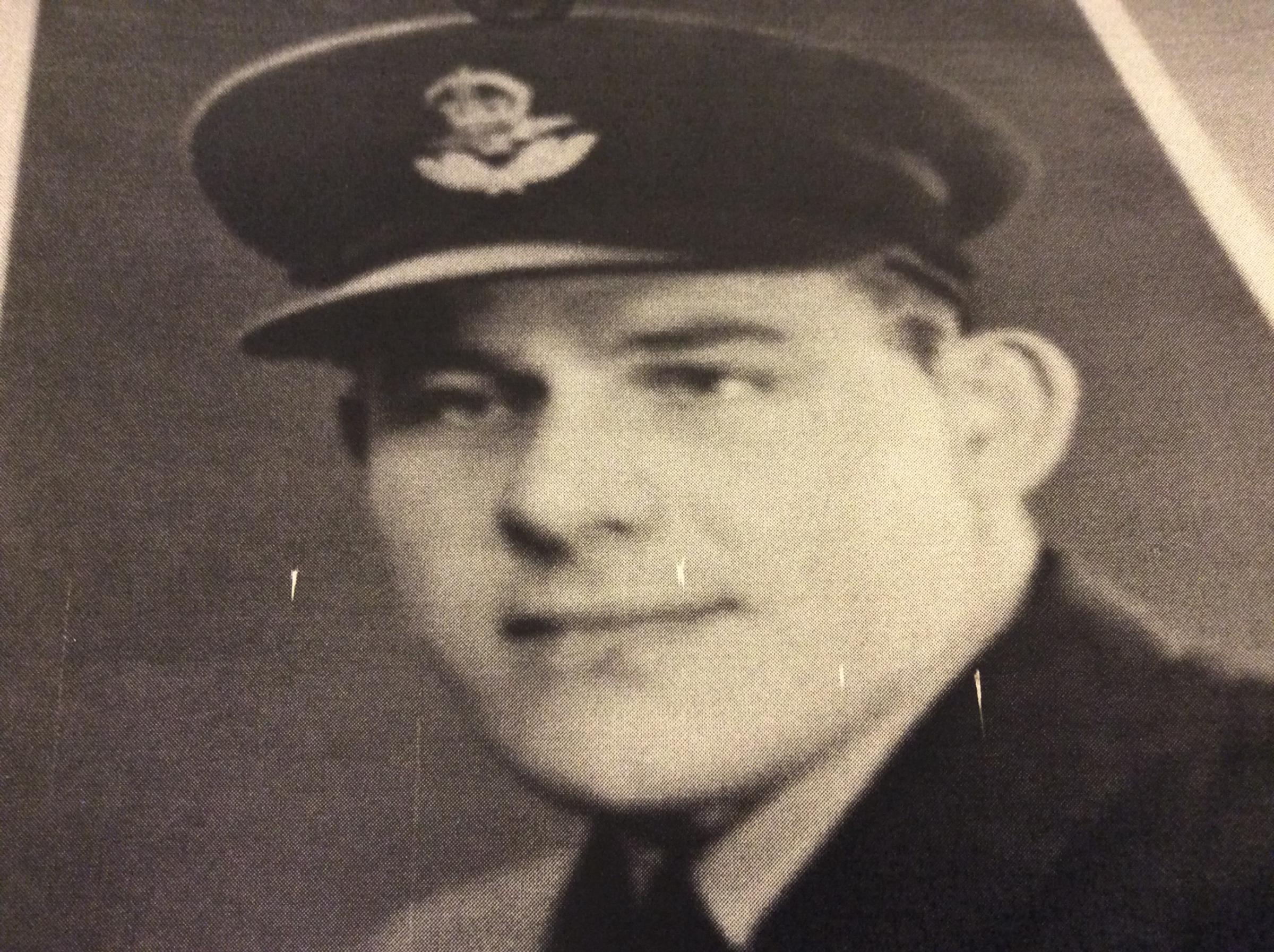
Next to Phyllis’ grave is that of Pilot Officer Basil Lincoln Fox, known as Peter, who was an Australian pilot in 224 Squadron. Peter’s parents were Fred, born in Lincolnshire in 1892 and Louisa (née Loose) from Brancaster Staithe, also born in 1892. Fred moved to Australia and in 1911 was joined, by prior arrangement, by Louise; they were married there. Before going to Australia Louise worked as a nurse, and Fred as an engineer.
Peter was born in Granville, new South Wales, in August 1914; he had an older brother, Geoffrey and a younger sister, Jean. In October 1920, Louise brought her children back to England to visit their grandparents, Robert and Rebecca Loose, who lived in Brancaster Staithe. Robert was a member of the long-established and highly-regarded Loose family, who were fishermen living in Brancaster Staithe. Two members of the Loose family, Robert and William, were coxswains of the Brancaster lifeboat. William, also known locally as Billy Crusoe, was one of the leading lights in the formation of the Brancaster Staithe Sailing Club and served as Rear Commodore for many years. Louise and her children returned to Australia in July 1921.
Initially Peter worked with his father and brother as an engineer in Australia. In the late 1930s Peter travelled to Britain and joined the RAF, where he trained as a pilot. He was granted a short-term commission as an acting Pilot Officer and confirmed in this rank in June 1940.
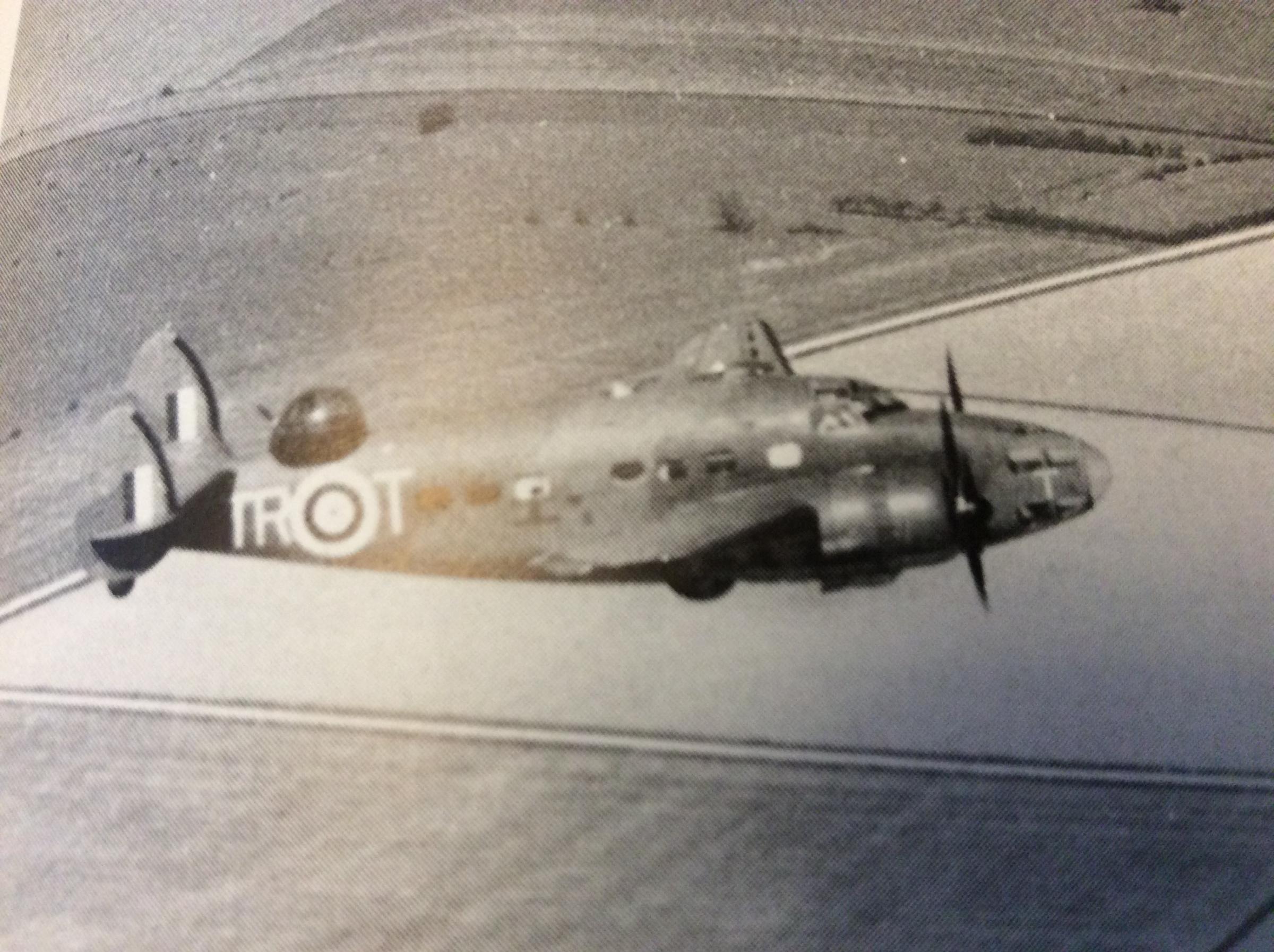
Peter was assigned to the Coastal Command Squadron 224, which was based at RAF Bircham Newton, for a time and then relocated to RAF Leuchars in Scotland. 224 Squadron flew the Lockheed Hudson, an American-made light bomber and at this time, one of the workhorses of Coastal Command. The squadron was engaged in anti-shipping strikes in the North Sea.
On 11th January 1941 Peter and his crew of three took off in their Hudson N7298 for a nighttime operational flight. On the way back the crew lost their way in very poor weather and crashed on high ground in a remote part of Warren Moor, Kirkdale, North Yorkshire. All four crew survived the crash, though with various injuries, and took shelter against the atrocious conditions under the wing of the plane. Because of the weather, they were not rescued until 12th January, and all four died of their wounds and exposure: Peter was 26 years old.
Peter was brought back to Brancaster to be buried; undoubtedly his mother’s very strong connections through her family played a key role in this decision. Members of the Loose family, including his grandfather, are also buried in Brancaster graveyard. There is an inscription on Peter’s gravestone which reads “Peter our beloved scout gave the Empire his all with his radiant personality. Poopdeck”. What the endearment “Poopdeck” refers to is unknown but may have been a family nickname.
The graves of Phyllis and Peter are a strong illustration of the fact that, in a war, casualties occur in service, even when not in combat. They represent the sacrifices made by tens of thousands of service people who lost their lives during 1939-1945 without being in the direct firing line.
I am very grateful to Richard Gray who lives in Norfolk and visited Brancaster during the time that the church roof was being re-slated. His interest having been roused by Phyllis and Peter and their stories, Richard carried out very extensive research without which the writing of this article would not have been possible. He also purchased a slate for the church roof in the name of Phyllis Duffield.
The pictures show what may be Phyllis and her father outside the Brancaster shop, Duffields’ shop today, Pilot Officer Fox and a Lockheed Hudson bomber.