The Americans joined the war at the end of 1941 following the attack on Pearl Harbour and Germany and Italy declaring war on them. During the next three years two million US servicemen and women passed through Britain and in 1944, just before D-Day, there were 500,000 stationed here. In respect of East Anglia 350,000 service personnel transited the region, but in terms of Norfolk, the largest presence was the United States 8th Army Air Force.
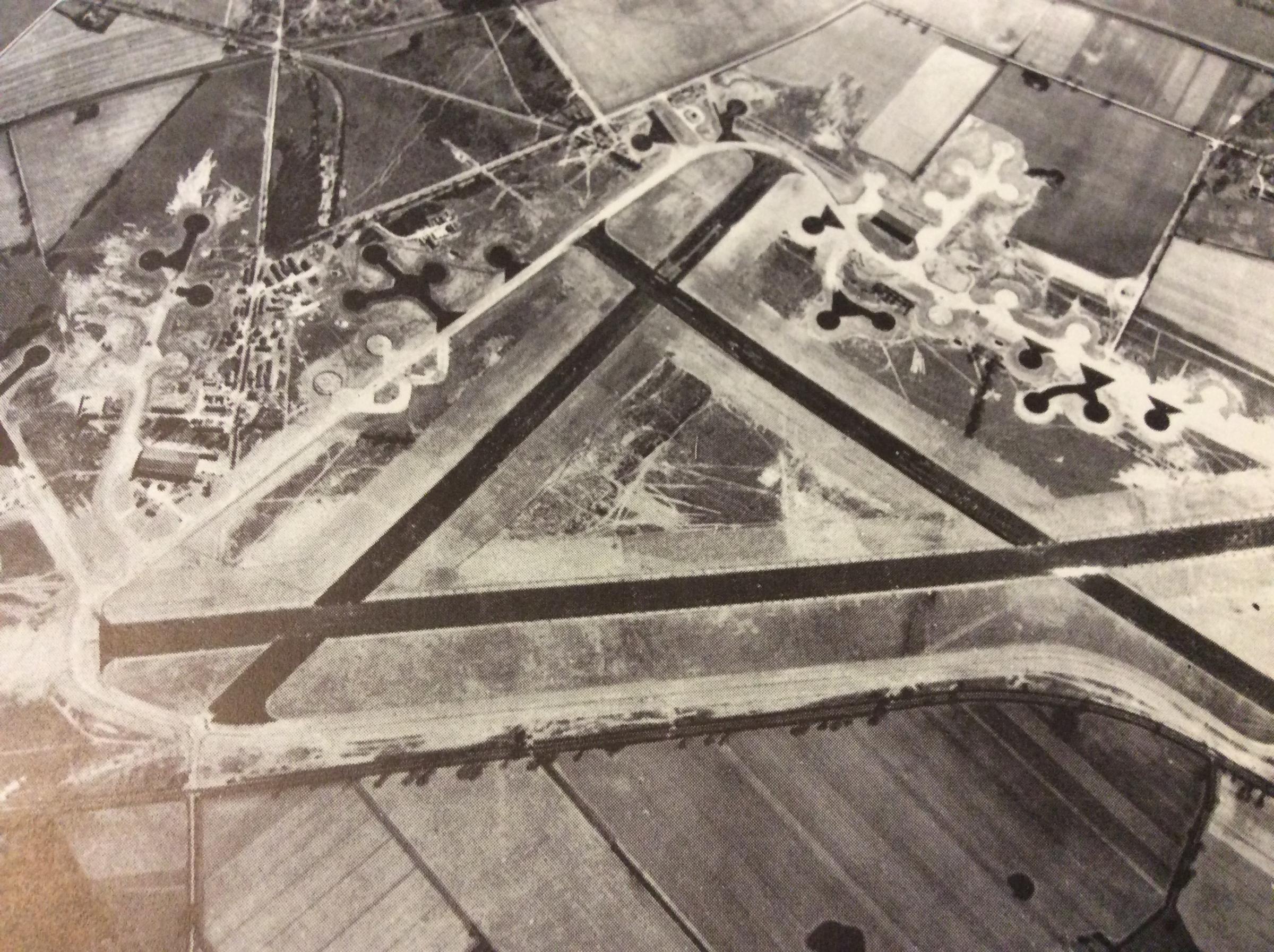
During World War II there were eighteen air bases in Norfolk containing the 3rd Division of the 8th Army Air Force, which operated with about five hundred aircraft; the main aircraft used by this Division was the B24 Liberator heavy bomber. This meant that there were about 50,0000 young men – and some women – who descended on what were mainly small village settlements. Naturally the arrival of so many men was the biggest cultural and landscape impact the county had faced. The latter aspect came about as heavy bombers required concrete runways, so hundreds of thousands of tons of concrete suddenly appeared almost overnight in these remote rural areas which had previously been mainly farmland.
Besides building airfields, the Americans also took over a number of halls and country houses to be used as headquarters, or as hospitals and convalescent homes. The impact of the 2500 or so servicemen that each base required on small rural communities of 250-500 inhabitants cannot be overstated, and this led to cultural impacts as villagers were presented with a variety of challenges.
Each airfield would contain between 25 and 50 aircraft, with about 300-500 aircrew. They would be serviced by some 2000 support staff who would maintain the aircraft and carry out all the roles which ensured that the base was self-contained; there would therefore be cooks, cleaners, clerks, armourers, guards and police on the base. Some of the aircrew kept pets which could be very exotic, such as bears and monkeys.
The Americans were not confined to their bases, and many took the opportunity to explore the countryside and the nearby villages; bicycles became a very sought-after form of transport in the absence of alternative means. The effect on the local population of coming into contact with the Americans was quite dramatic. The Americans came from a completely different culture and were well-dressed, used different expressions in their language, were well-paid and brought new foods, drinks, sports and music and dancing. The rural communities tended to be isolated and less wealthy than those in cities and towns so having large numbers of confident, occasionally brash and initially rather idealistic young men must, in some cases, have led to clashes of attitudes and values.
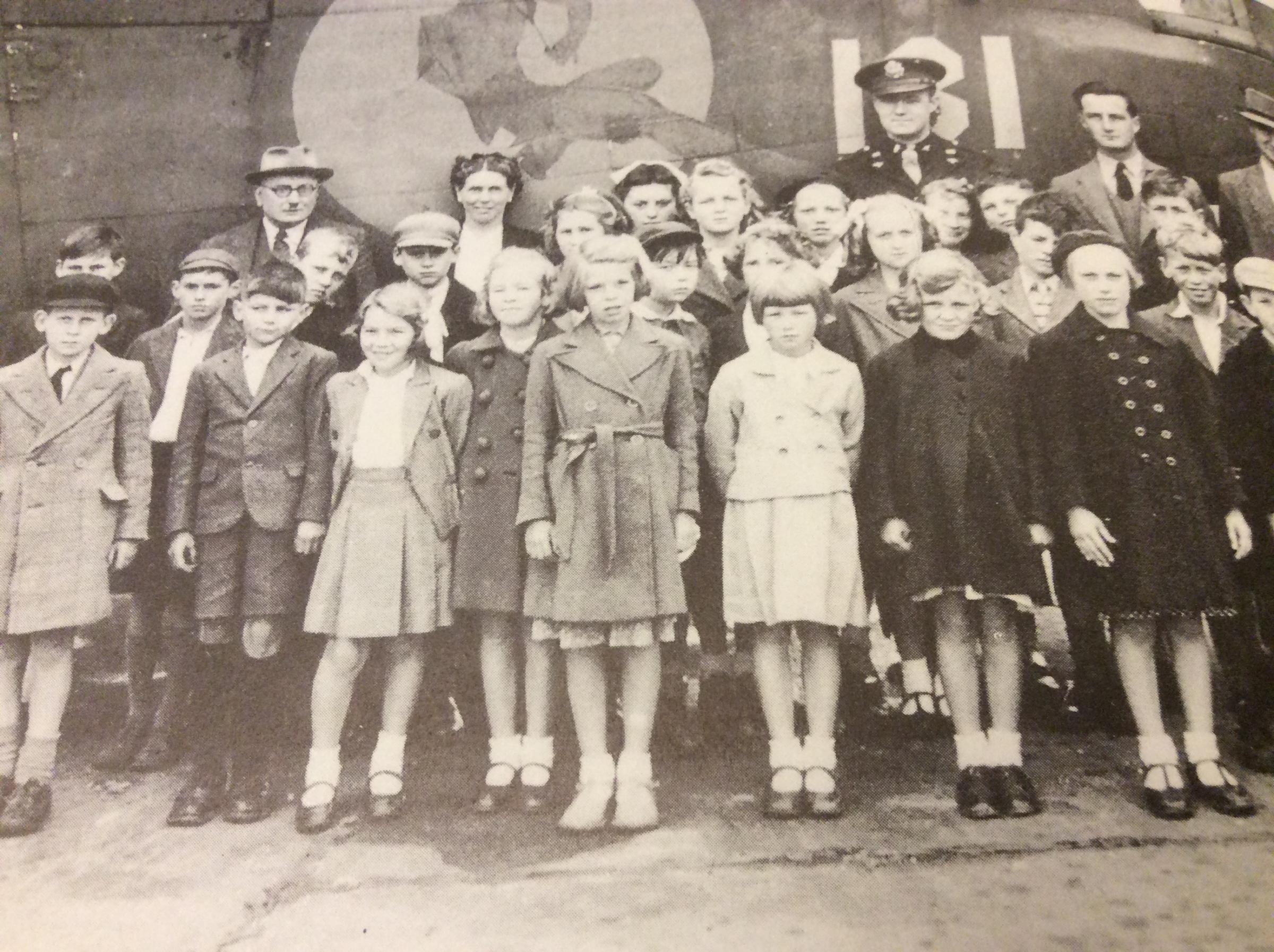
The American commanders quickly recognised that they needed to work hard with the community to cross the cultural divide. There were, of course, many examples of American servicemen being welcomed into the homes of locals and sharing meals and homespun entertainment; however, the provision of parties, entertainment events and dances on the bases did much to break down barriers. Local people were also able to access food, donated by American guests or at base events, that had long disappeared from British tables and in some cases, new foods and drinks such as peanut butter, donuts, popcorn and Coca Cola. Particular attention was paid by the American airmen to local children, who were of course amazed at the sight of the aircraft, which represented the latest technology. The Americans organised parties for children and Christmas events, as well as visits where they could explore the aircraft under watchful eyes; servicemen would also relate stories and occasionally show films of life in America, of great interest to children who still played at cowboys and Indians. On some bases the Americans worked with farmers to put on impromptu rodeos – although what the animals thought of these activities can only be imagined.
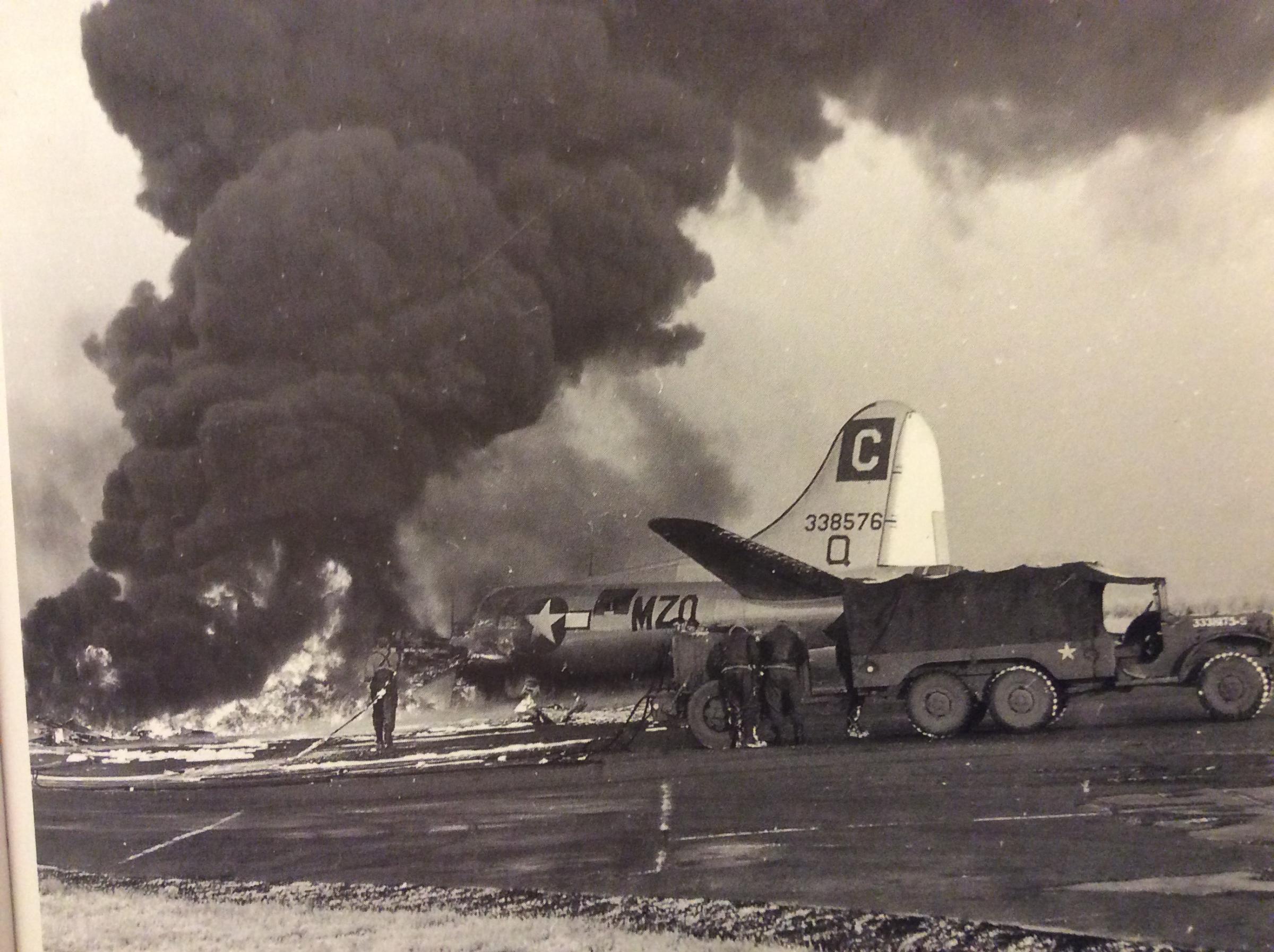
Villages would have become increasingly aware of the aircraft passing overhead on missions or training: the noise must have been very intrusive, and farm animals must have taken time to adjust. Local residents would also have been aware of the dangers as aircraft crashed in country locations, sometimes with civilian casualties involved. Altogether 6300 American airmen lost their lives in the war on combat missions and in training from Norfolk air bases.
Of course, in mixing with the local community, romances blossomed between servicemen and Norfolk girls. Dances were organised on the bases and in local village halls, where new music – “swing” – was introduced and new dances, such as the jitterbug, were tried out. Some of these romances resulted in marriage; this is the subject of a separate article. The bases were also able to put on concerts by well-known bands or popular singers and stars who toured, giving performances to servicemen. Undoubtedly some locals would have been able to attend these special occasions.
Most of the American servicemen departed in 1945, but they left behind a legacy that has never diminished in terms of the special relationship between the two countries.
The pictures show the following:
- A typical layout of a Norfolk USAAF base in Norfolk
- The dangers involved in flying
- Children on a visit to an American airbase
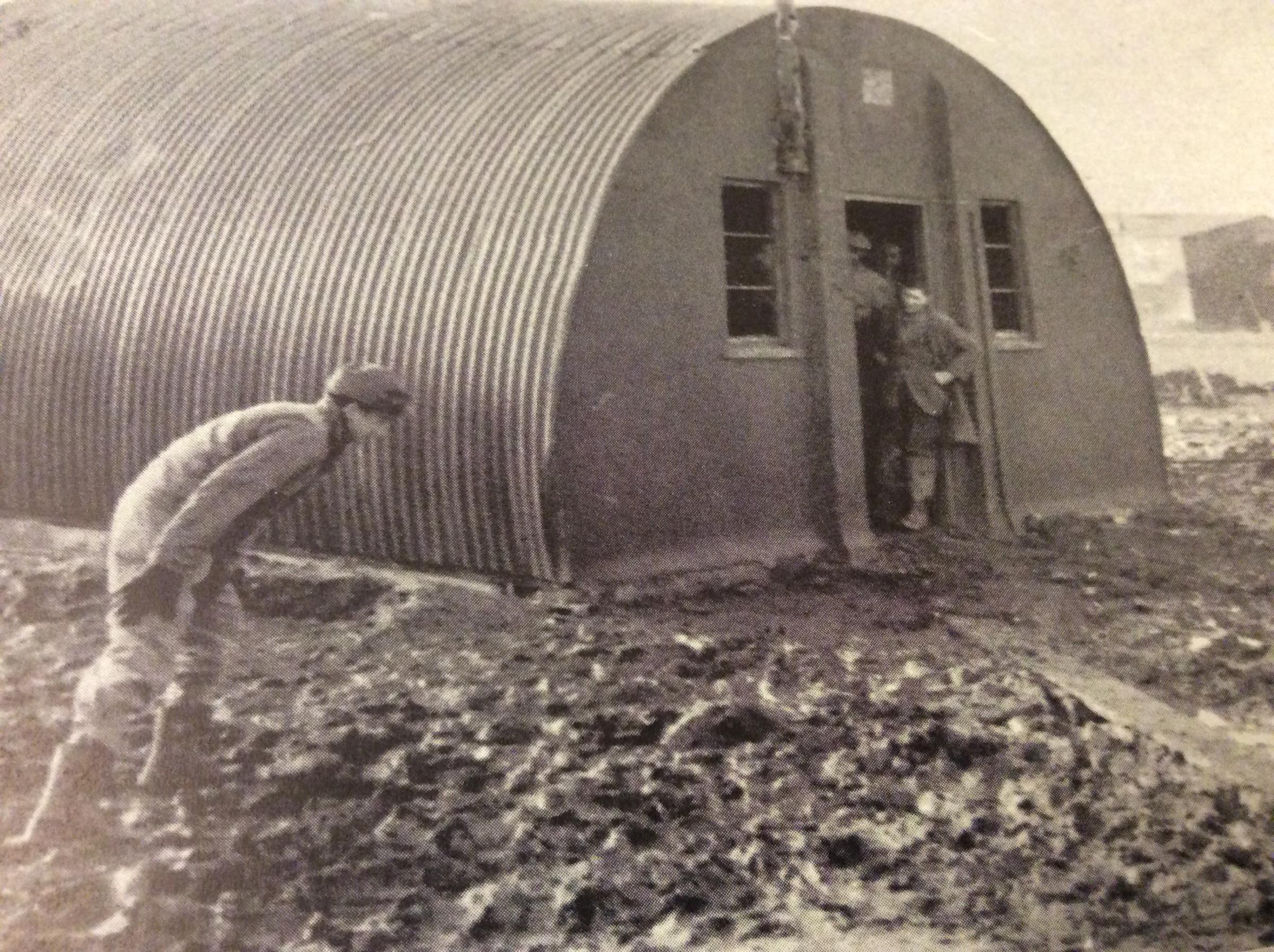
- The conditions American airmen faced on return from missions