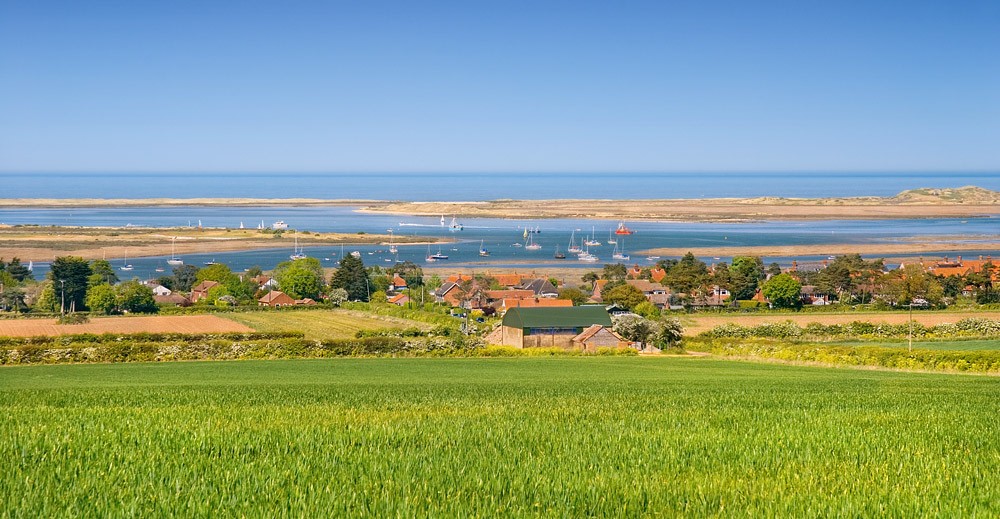
Agriculture was the major industry of Norfolk, as the land was very suitable for cultivation. This was also the case in Brancaster and the areas around the village. A look at the maps of the 20th century will show the importance of farming in this area, and in fact, a wander around the village today will also give credence to how farming has shaped the village over the centuries. Therefore, changes and challenges to farming on a national scale had implications for Brancaster and its environs.
To start the story of farming in the 20th century we need to go back to the First World War, when changes were brought in to deal with the large number of farmworkers who had volunteered or been conscripted into the armed forces. Farming had to make do with fewer men and also less horsepower, as horses were needed in very large numbers on the Western Front. Change which involved a degree of mechanisation, and new methods of cultivation began to be developed.
In the comparatively short inter-war period the repeal of the Agricultural Act in 1921, which guaranteed a minimum wage for farm workers and a minimum price for produce was repealed. Very quickly wages fell by up to 40% in a single year and rural poverty became a serious issue. At the same time restrictions were lifted on grain imports and grain producers in Britain – Norfolk was a major grain producing area – were faced with competition from countries such as Canada, where farming was on a much larger scale. The Depression in the 1930s made matters worse: by 1938 only 5.9% of the population worked in agriculture and Britain imported 60% of its food, roughly 55 million tonnes. These effects were felt in Brancaster and its surrounding areas as in the country as a whole.
At the start of the Second World War food imports dropped dramatically, as the danger of ocean travel became explicit. The Government realised that it needed to take drastic action if the population wasn’t to starve. This meant the introduction of rationing, which began in January 1940 and lasted into the early 1950s for some products. The Government had carried out a survey in 1939 to see how many weeks’ food stocks it had and the results meant the need to ration (dealt with in a separate article). It also needed to increase agricultural land and yields and to deal with the fact that, in the first two years, 50,000 men ad left the land to go into the armed forces, causing labour challenges.
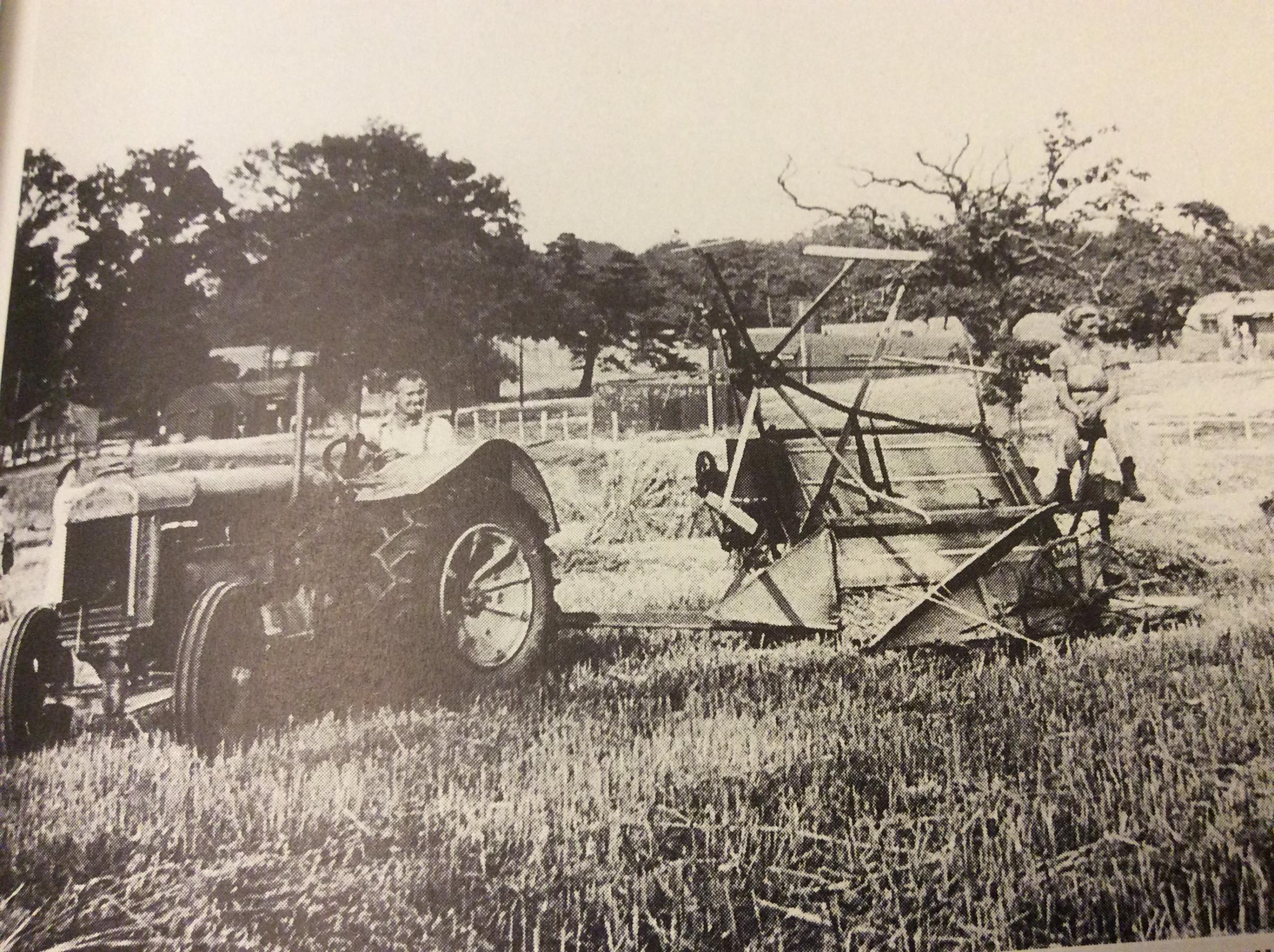
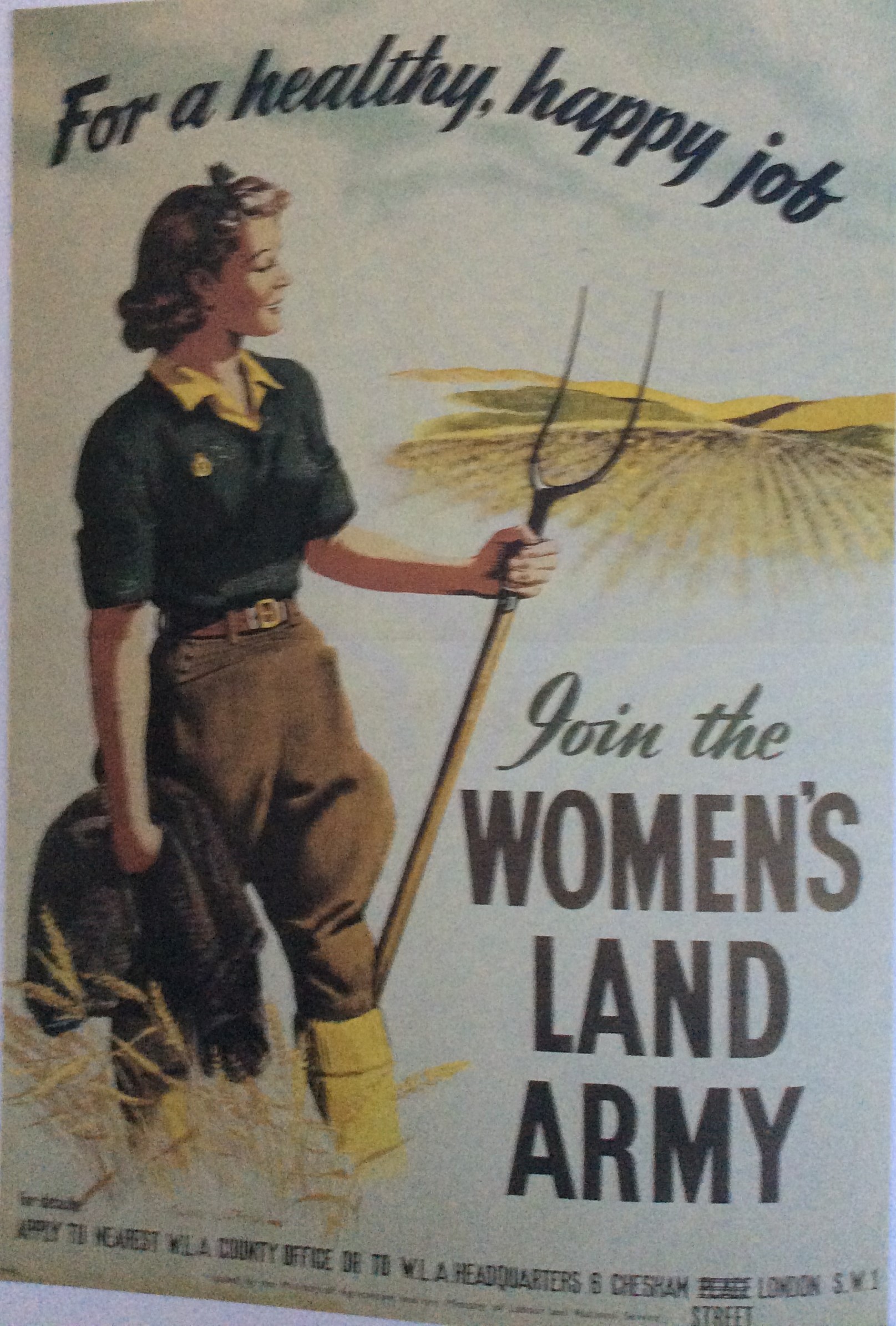
To address the labour issues the Women’s Land Army (WLA) was reactivated in the summer of 1939 and many women of all ages joined up or were conscripted. At its peak 80,000 women in the WLA were working on farms across the country, including in the Brancaster area. The Director of WLA stated: “The land army fights in the fields. It is in the fields of Britain that the most critical battle of the present war may well be fought and won.” Women undertook all aspects of farm work, including the hardest labour tasks; although there was a great deal of scepticism from farmers, this proved misplaced, as women more than rose to the challenges.
Very quickly the Government introduced measures to increase the amount of land in production. In 1939 there were 9 million acres of arable land, 16 million under grass and 5 million rough grazing; a further 4 million acres were rapidly ploughed up. There was a move away from livestock farming, as ploughed acreage could feed more people that livestock kept on the same amount of ground. In the area around Brancaster the reclamation of land was a key issue, and acres of farmland and marshland, such as parts of Titchwell Marsh, were drained and made suitable for farming.
The “Dig for Victory” campaign was also introduced, encouraging people to grow vegetables in their gardens. Up and down the country land was used for growing vegetables, including parks, racecourses and the sides of railways. Buckingham Palace and Windsor Castle also introduced vegetable gardens.
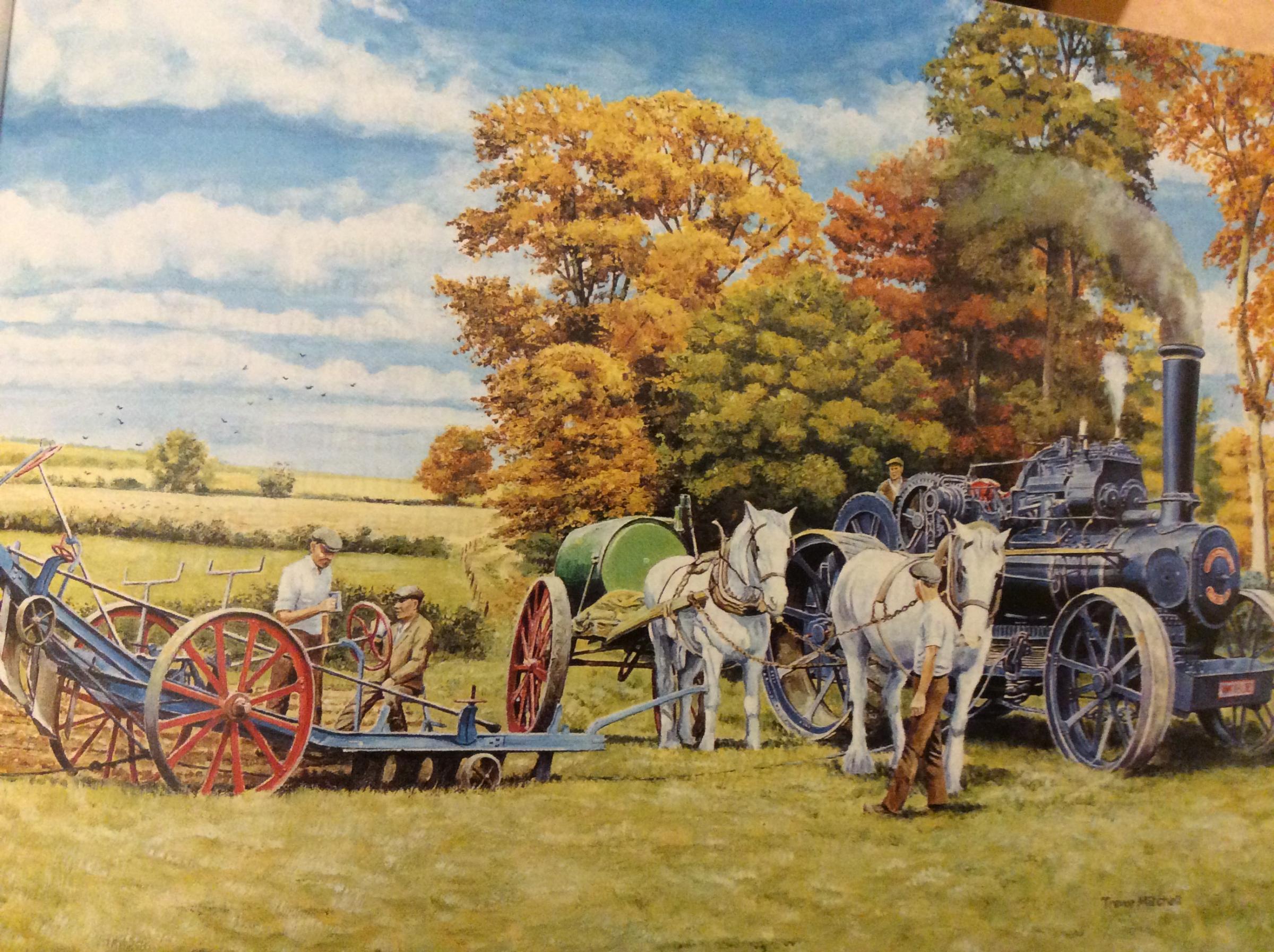
To oversee all this farming activity the Government set up War Agricultural Committees across the country with powers to ensure that the ploughing policy was enacted; farms could be confiscated if the rules were not followed. Alongside this, the Government encouraged the mechanisation of farming methods, which gradually replaced horses. It allocated grants to enable farmers to purchase tractors, and the number of machines doubled quickly.
In terms of labour, new regulations were introduced, and farm work was designated a reserved occupation. Any farm worker who wanted to join the armed forces had to be replaced before being given permission. Unemployed people and conscientious objectors were also sent to work on farms. Perhaps the biggest influx, after the WLA, were prisoners of war, mostly Italians, who constituted nearly 58,000 farm workers by 1945.
The Second World War has been seen as the start of a new era for British farming, albeit a revolution brought about by necessity. The Government came to regard farming as a key strategic industry and, as a consequence, gave it solid support to modernise and grow, to ensure the labour force was sustained and that technological initiatives were introduced to increase yields. In this way the country became a great deal more self-sufficient, and Norfolk played a major role in this revolution. The amount of food that needed to be imported through the dangers posed by oceanic travel was reduced; the people of the country were kept comparatively well-fed, growing healthier and living longer as a consequence. The battle of the farms was one of the great many victories of the Second World War, and one in which Brancaster and the area around the village can take justifiable pride.
The pictures show men and women farm workers harvesting, a wartime poster for the Women’s Land Army and the presence of horses in farming.