Strangely, very little is recorded about the school during either of the Great Wars. However, it is known that, during the Second World War, soldiers manning the local defences were billeted at the Dormy House Hotel and airmen looking after the high level radar station based on Barrow common were billeted at Cross Farm. The pupils would have come into contact with the military in the village and also practised air raid precautions at the school. Rationing was introduced and clothing became scarcer; Brancaster also began to receive evacuees’ children. In the village women were called upon to work the land and keep the village services going. The village had its first road and taxi, the first council houses were built and the beach was closed for the duration of the war.
Brancaster School became very different; there were over 100 children attending, the number enhanced by the closure of the boys’ school in 1938. The curriculum included sewing, knitting and woodwork, along with gardening – growing vegetables – in the new school garden. There was also painting, singing, drill and nature walks. Discipline was still strict, with noise allowed only in the playground. Football was played on a field in Broad Lane, often cheered on by soldiers billeted in Dormy House.
In the 1950s electricity came to the village and running water also became available. The new council houses had indoor toilets and bathrooms, and there were more cars on the streets. In Brancaster School there were 60-70 children in three classes. The open fires became stoves and food was cooked on site. Older girls went to Hunstanton for domestic science and younger girls learned sewing and darning – practising on the Headteacher’s socks.
In the 1970s and 1980s the village began to change, with lots of summer visitors. The school also saw substantial differences as Deepdale School closed and pupils moved to Brancaster; student numbers dropped with the changes to work practices in the area. The curriculum remained very broad – many pupils reported that they enjoyed their time at the school. The school house was sold and the school acquired a playing field.
The 1990s and 2000s saw enormous changes in the village, with many more holidaymakers and holiday and second homes, many more cars and only one village shop. The fortunes of the school fluctuated, with numbers meaning two or three classes. The school fought off a bid to close it, and a school uniform was established. Swimming lessons were brought in, along with school trips and activity weeks: the National Curriculum was introduced. The classrooms were reconfigured to be more equal in size, and school dinners were delivered by taxi.
So, finally, we come up to date. The village remains a tourist hotspot and the number of holiday and second homes has increased. The village hall has been renovated and extended, and the shop and Post Office reintroduced. The school remains a central focus of the village and, with the closure of Sedgeford School, has acquired more pupils. It has become an Academy, joining the family of church schools across the Diocese.
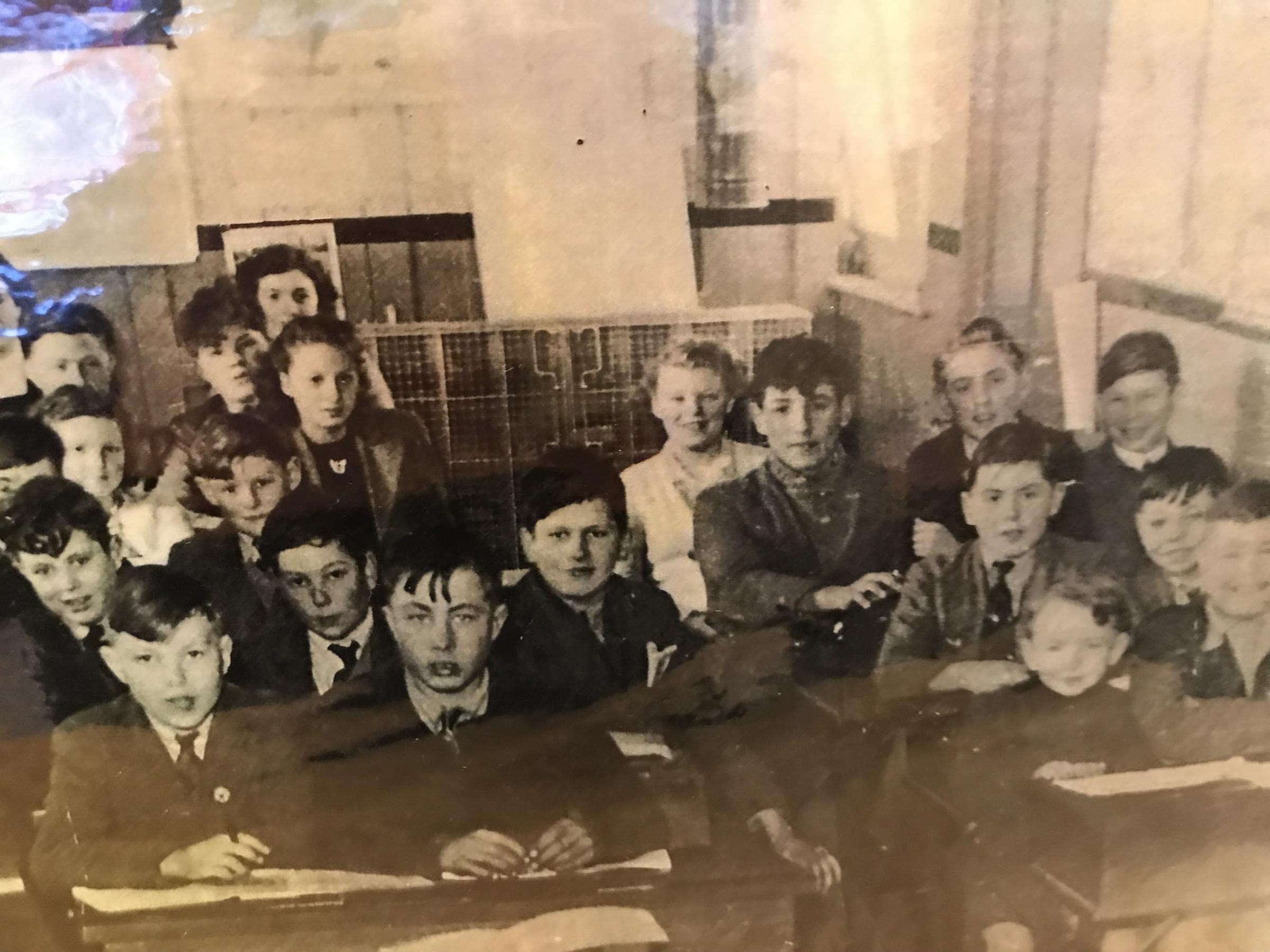
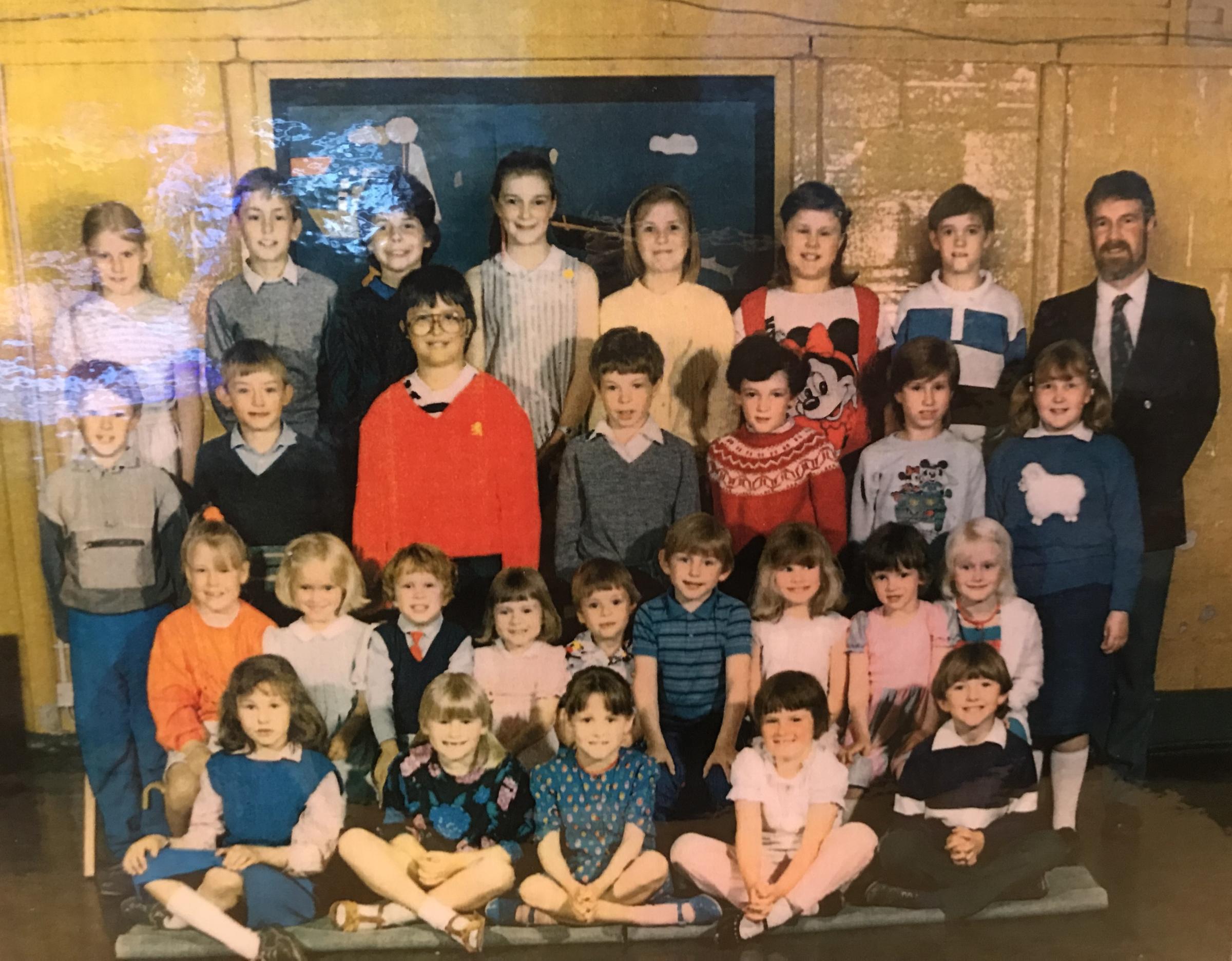
The school continues to provide a caring environment in which the children are valued, and staff continue to strive to give them the best learning experience. The first picture shows senior pupils of the school in 1948 and the second the whole school in 1974.