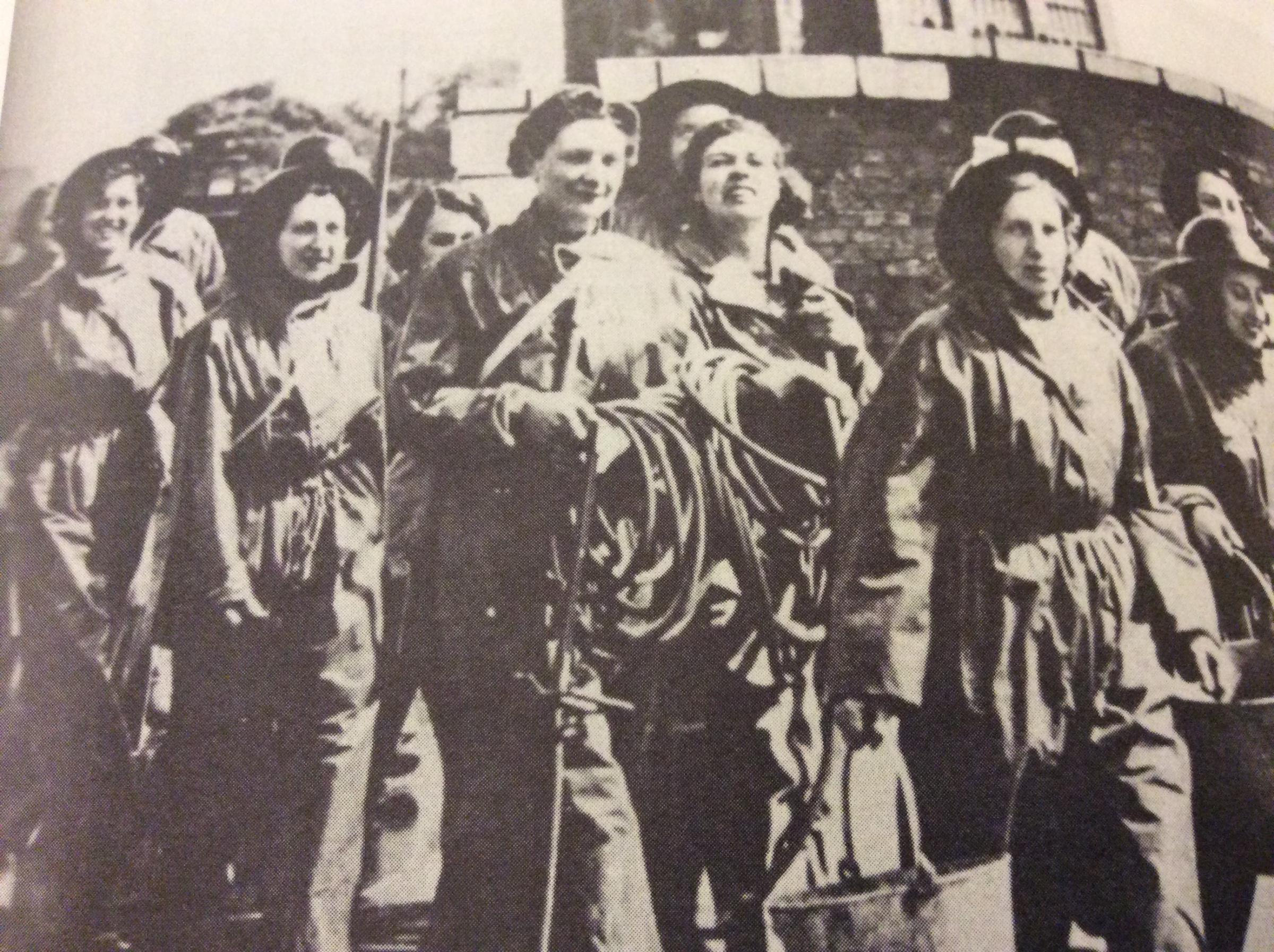
The period of the Second World War was one represented by the volunteer and the rapid development of volunteer services. Non-military personnel were encouraged to volunteer for a variety of roles that needed to be undertaken in a country at war. Services included Air Raid Precautions, Observer Corps, Home Guard, Auxiliary Fire Service, Civil Defence and the Women’s Voluntary Service (WVS). Villagers in Brancaster and the surrounding area would have been involved in one or other of these organisations, which would also provide them with services. This article will deal with the two largest of these organisations that involved millions of people across the country, the Women’s Voluntary Service and the Home Guard.
The WVS was founded by the Marchioness of Reading in 1938 as a women’s organisation assisting in air raid precautions in the event of a war. This was to be a voluntary organisation with no ranks, where women from different backgrounds would mix together in a common purpose. Very quickly the WVS recruited a large number of women and began to expand the number of roles it undertook. The WVS became a real force within the war structure and economy.
The WVS was split into twelve regions; within each a county organiser was appointed to oversee services. There were eventually 2000 WVS centres countrywide, providing a range of services to communities. Each centre had an organiser appointed, with a team responsible for different aspects of the work, including evacuation, food and clothing distribution, ambulances, knitting garments for the military and training, in addition to the WVS’s initial role. Each centre was closely monitored by Headquarters’ staff to ensure essential roles were undertaken efficiently and effectively. HQ also issued a stream of advice and guidance to local organisations in order to spread good practice and ensure rules and regulations were followed.
Very early in the war the WVC played a key part in the Government’s evacuation programme, which aimed at removing mainly children from cities likely to be bombed. The evacuation involved identifying vulnerable children – and some women – arranging trains and other transport, finding billets and organising and food for the journey. The WVS was credited with moving one and a half million people during the early days of the war, a magnificent achievement.
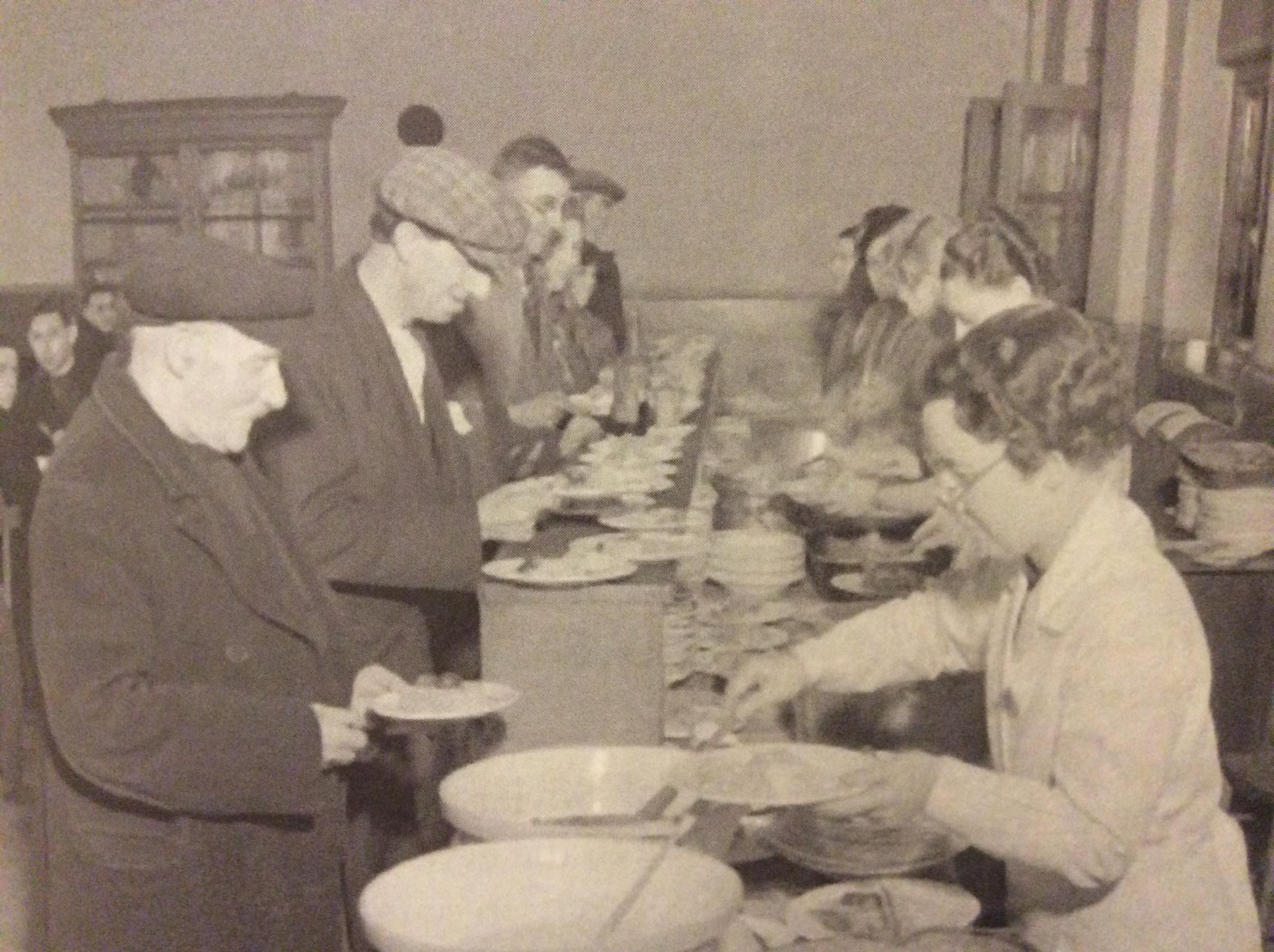
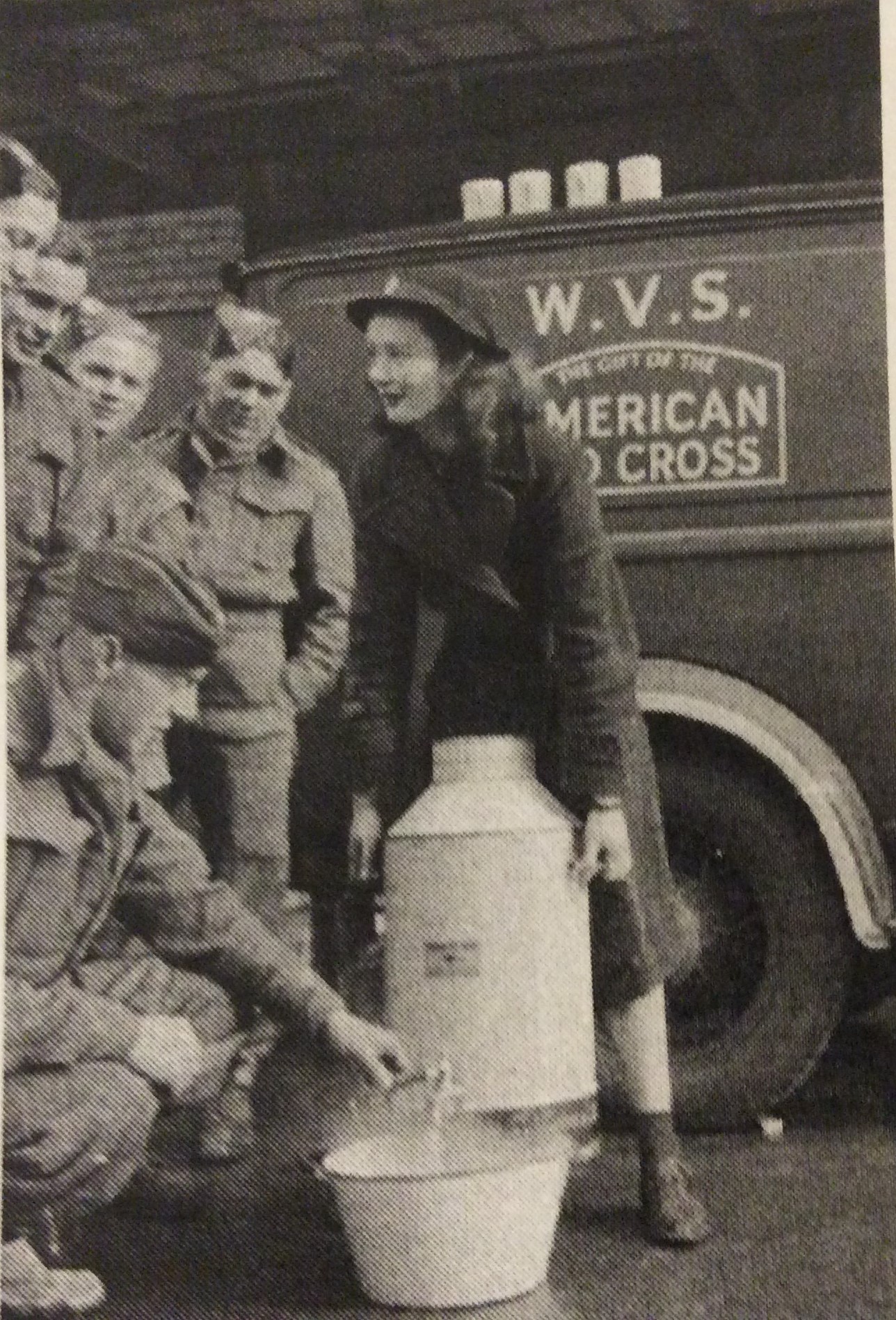
The WVS also collected clothing and distributed it to the needy, operated canteen services for troops, together with feeding centres for the population, and provided a range of services in areas that had been subject to the Blitz. These tasks could be dangerous: 241 WVS members were killed during the bombing campaign by the German air force.
By 1941 one million women belonged to the WVS and were present in all areas of stress and conflict on the home front. In the build-up to D-Day the WVS’ catering expertise was used in the service of troops in training and awaiting transport to Normandy. The WVS was also active in areas where the V1 and V2 terror weapons landed. When allied armies moved across the continent following D-Day, units of the WVS moved to provide services to frontline troops in France, Belgium, Holland and Italy. In recognition of their role, members of the WVS were awarded the Defence Medal, which recognised active war service at home and abroad.
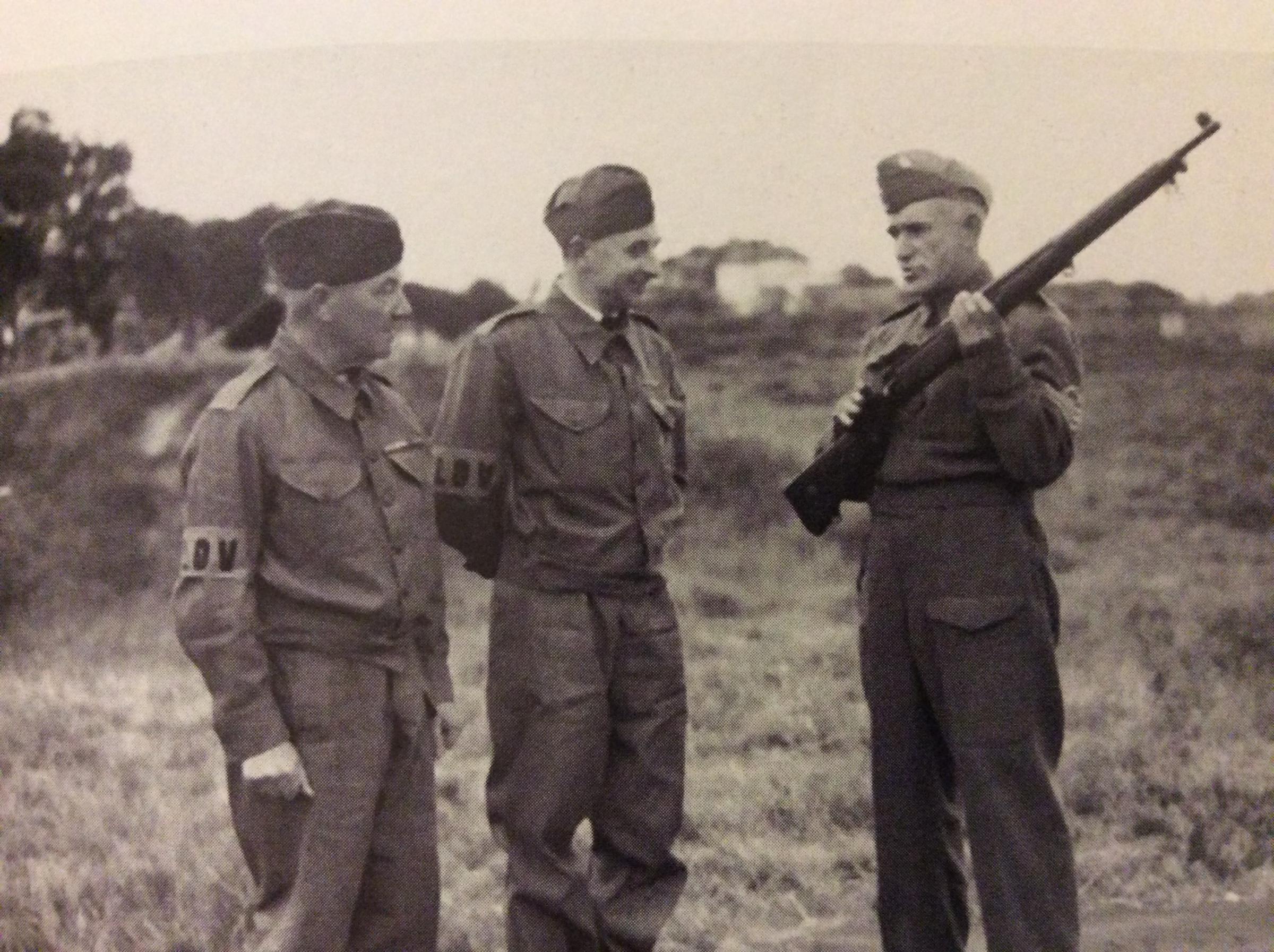
The Home Guard – initially the Local Defence Volunteers (LVD) – was set up as an organisation to support the regular army in defending and guarding Britain, particularly during the invasion scare. Its early days, as the LDV, were a little controversial, as there were differences in Government circles as to the role, no weapons and no uniforms. Its formation was also, to a certain extent, forced on the Government, as private initiatives were springing up all over the country to offer protection against possible invasion.
The fortunes of the LDV changed dramatically when Churchill became Prime Minister. The name was changed to the Home Guard and the role of providing support to the regular army and defensive duties across the country firmly established. The evacuation at Dunkirk meant that the army that arrived back in Britain had lost most of its equipment, and so priority had to go to rearming the troops and also the fresh battalions raised by conscription. The Home Guard had to make do, therefore with whatever was available, including – in many cases – pikes and spears, along with shotguns and ancient rifles and revolvers.
The Home Guard initially recruited volunteers between the ages of 17 and 65 years, although younger and older members were often present; some women were also recruited to carry out tasks such as clerical duties. Altogether, by July 1940, there were one and a half million men in the Home Guard, organised into battalions, companies and platoons. The platoons were the basic operational unit, with around 25 to 30 men commanded by a lieutenant or, occasionally, a captain.
The Home Guard undertook a number of roles in the war, particularly when they became fully armed and uniformed. These included defending key sites, manning pillboxes and operating coastal batteries and antiaircraft guns. During the Blitz Home Guard unis identified unexploded bombs and evacuated areas until they could be defused. They were often in areas of danger: 1206 members of the Home Guard were killed during the war. In 1942 the National Service Act allowed some conscription of Home Guard members between the ages of 42 and 51. The Home Guard received training from the regular army and were the principal force used against the danger of enemy parachutists landing in the country. Increasingly, as regular units were sent abroad, the Home Guard assumed all the duties that they had performed.
The Home Guard was stood down after D-Day in December 1944 and finally disbanded in December 1945. Members of the Home Guard who had served for at least three years were eligible for the Defence Medal.
The Home Guard has featured strongly in the media and entertainment; during the war the films “Went the Day Well?” (1942) and “The Life and Death of Colonel Blimp” (1943), which showed the role of the Home Guard units, were extremely popular. Of course, the most famous depiction was the very long-running TV series “Dad’s Army”, which ran for over 80 episodes and is still being shown as repeats today. The depiction of Captain Mainwaring and the Walmington-on-Sea platoon gives a pretty accurate account of the duties, training and structure of the Home Guard at a local level.
The pictures show the following:
- The LDV (later the Home Guard) receiving instructions and on the march without uniforms
- A WVS kitchen providing meals to the community and a mobile canteen
- The Women’s Fire Service