Late in 1934 the Tizard Committee was set up by the Government and employed radio expert Robert Watson-Watt to investigate the feasibility of using radio waves as a weapon, the so-called “death ray”. Watson-Watt’s team quickly discounted the death ray concept but suggested that radio waves could be used for long range detection of objects. In 1935 a demonstration was arranged to show the detection possibilities of radio waves. A receiver was placed near a BBC shortwave transmitter and an aircraft instructed to fly around the area. An oscilloscope connected to the receiver showed the pattern of flight from the aircraft’s reflection: the concept of radar detection had been discovered (as it had in Germany).
Watson-Watt’s team then built a prototype pulsed transmitter and used it to track an aircraft flying past. Later in 1935, with further development, prototype radar masts were detecting aircraft at ranges out to 100 miles and the system was put into full production in 1937. The first radar stations erected covered the approaches to London. Following further tests the radar stations were developed into the world’s first integrated ground-controlled interception network, capable of detecting attacking aircraft at long distances and controlling the interception of defenders. After these successful trials the Government approved dozens of Chain Home High radar masts (CH) to cover the south and east coasts. These were followed by the establishment of Chain Low (CL) stations which could detect aircraft at low levels. The CH stations could detect attacking aircraft forming up over France’s west coast. The CH and CL played a crucial role in the Battle of Britain during 1940. The stations enabled the British defenders to intercept attackers at the correct height and distances as they crossed the south or east coasts of the country.
One of the original Chain Low stations was constructed on Barrow Common above the Brancaster and Brancaster Staithe villages. This station was established in 1940 and built by J.F. Williamson Builders of Burnham Market. Initially this station had a bedstead aerial mounted on the roof of a blockhouse and capable of detecting aircraft up to 35 miles distant, with a field of vision from north-east to north-west. It was also linked to other radar stations along the North Norfolk coast.
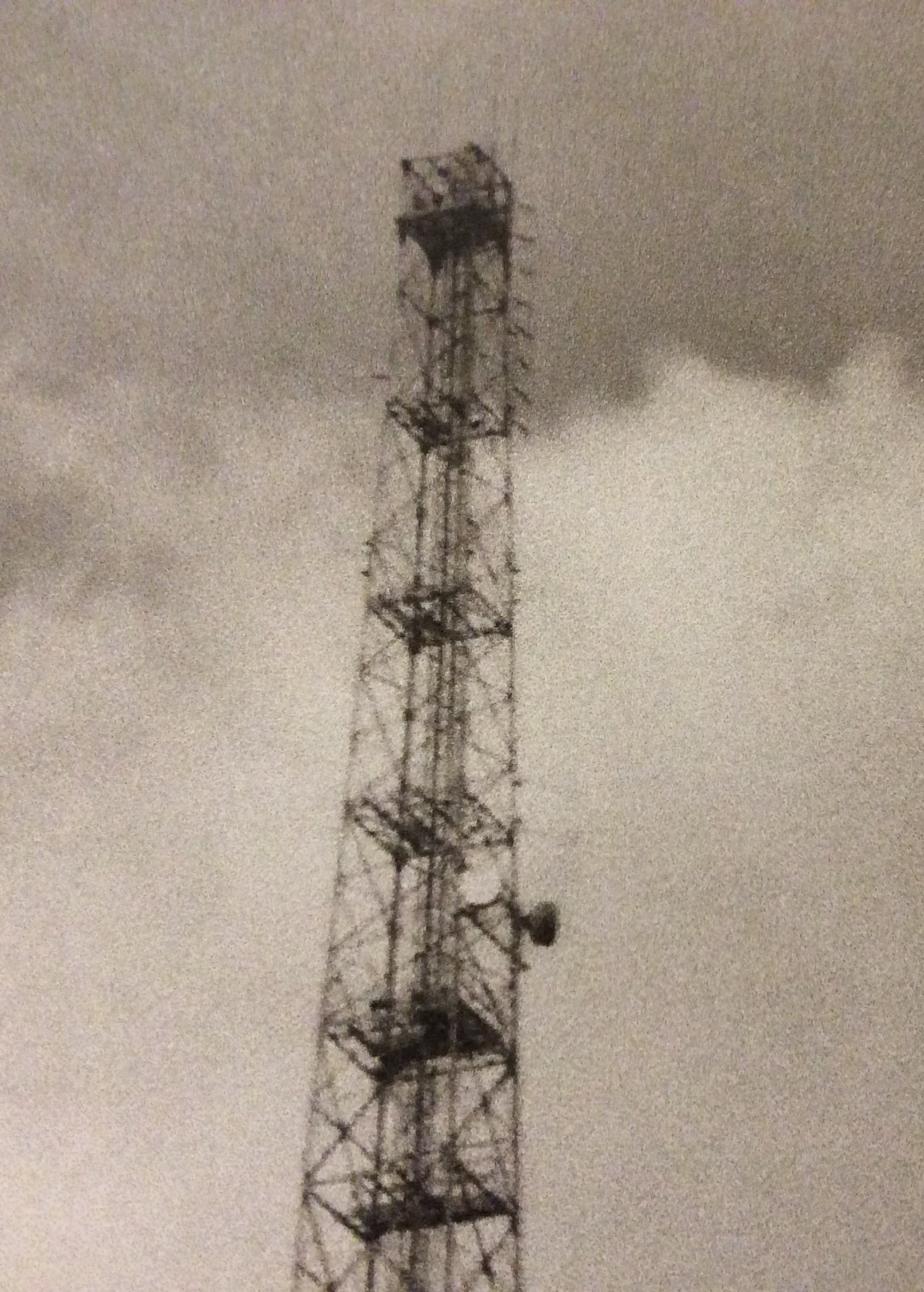
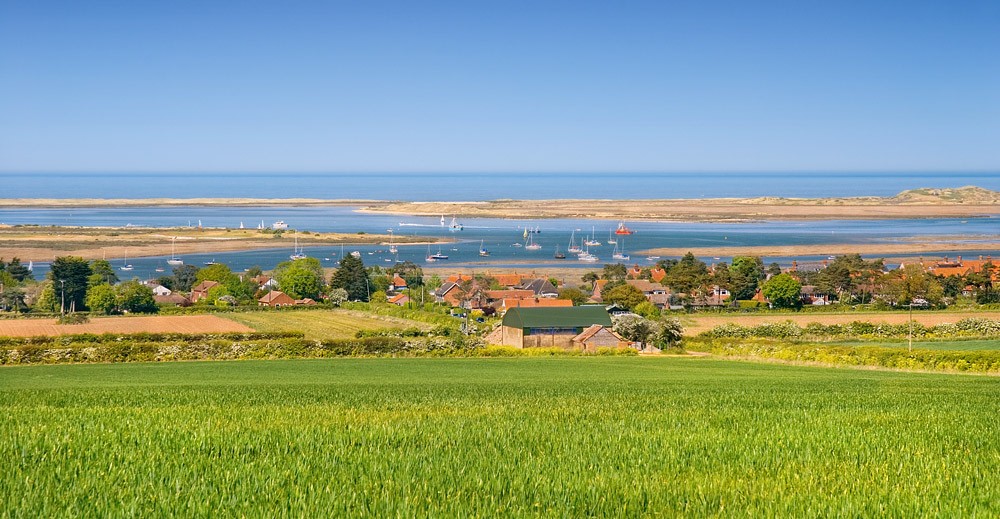
The Barrow Common radar station was originally manned by the Army and gave a panoramic view of the Wash and North Sea. The bedstead aerial proved very cumbersome, as it had to be turned by hand and was difficult to use in high winds, which was exhausting to operators. In 1942 the station was taken over by the RAF, and the bedstead aerial replaced by a lattice tower to the rear of the station blockhouse and probably 200 feet high. The station covered both air and surface threats, although the main danger was thought to be low flying aircraft. It was manned not only by RAF personnel but also by a number of naval ratings who were responsible for plotting ship movements and by army observers to keep an eye on the security of the coast. Altogether there were about 80 personnel based at the station, operating four watches of six hours. They were billeted at the nearby Valley Farm, just to the east of the station which still exists. It must have been a very chilly and isolated posting in the winter months.
Although the threat of invasion receded from the end of 1940 onwards, the radar station on Barrow Common continued to perform a critical role in guarding the sea approaches and tracking enemy aircraft. Increasingly, as the war went on, the Germans used single aircraft in hit-and-run raids on England which caused civilian casualties and damage over a wide area. Barrow Common was linked with other radar stations around the coast that tracked such raiders and, where possible, activated air defences. It is a testament to the service men and women who crewed the radar stations that they endured the long hours and considerable discomfort for most of the years that the war lasted.
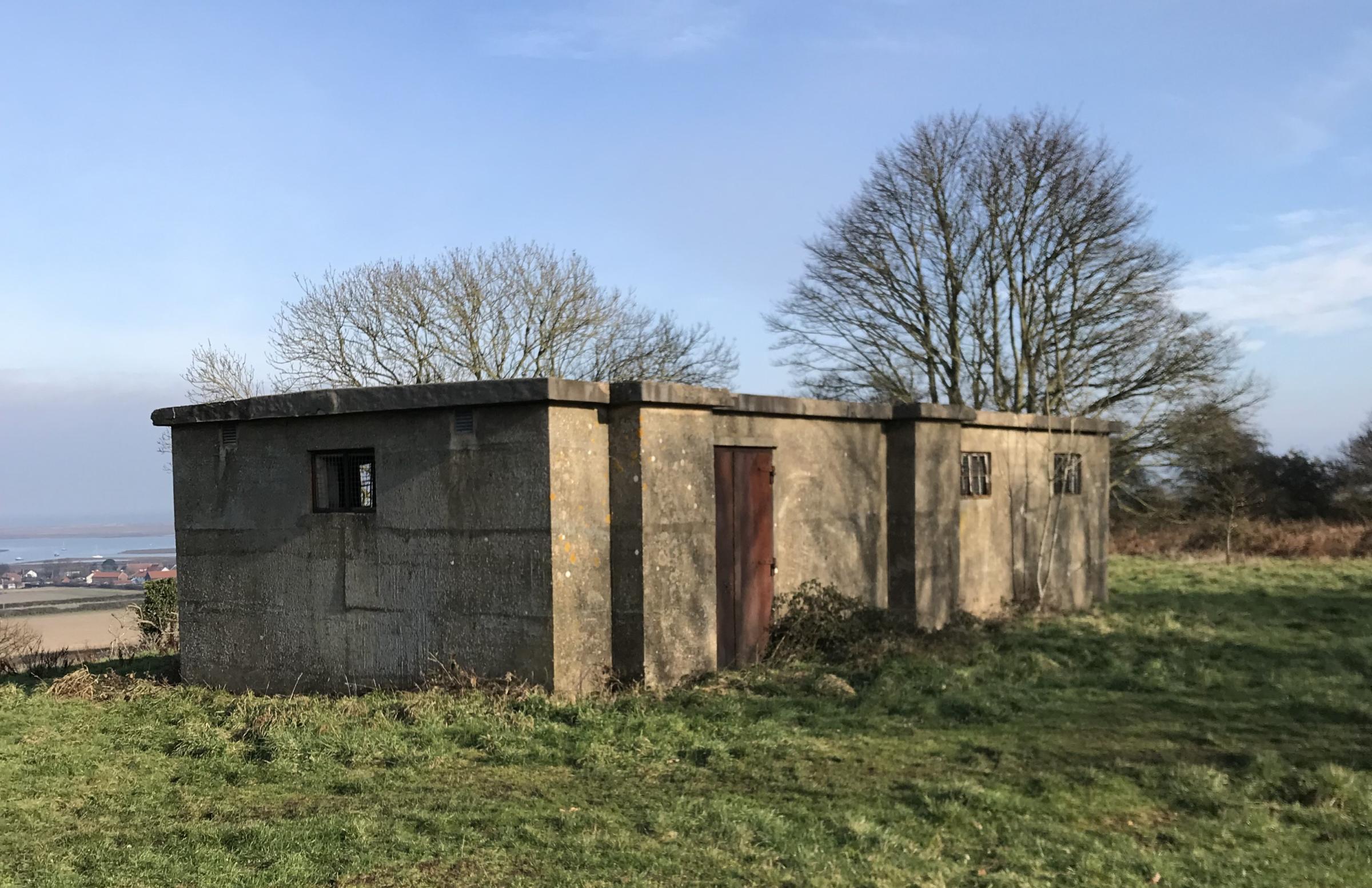
The station buildings still exist today and consist of a large blockhouse which housed the radar equipment, screens and a rest area and a smaller generator building close by. The four concrete blocks that supported the lattice tower are also visible with a bit of exploration. The station closed in 1944 when the Allies landed in Normandy on the D-Day operation. The first picture shows the main blockhouse where the screens were based, to the left of which is the dynamo house and to the rear the lattice tower; the second shows the panoramic view from the station over the Wash and the North Sea and the final picture shows how the tall lattice mast would have looked. There is a wealth of material online about the development of radar during the 1930s, and also about the Barrow Common radar station.