David Jamieson was born in 1920 in Westminster, the elder son of Sir Archibald Jamieson, the Chairman of Vickers Armstrong. He was educated at Ladycross and Eton schools.
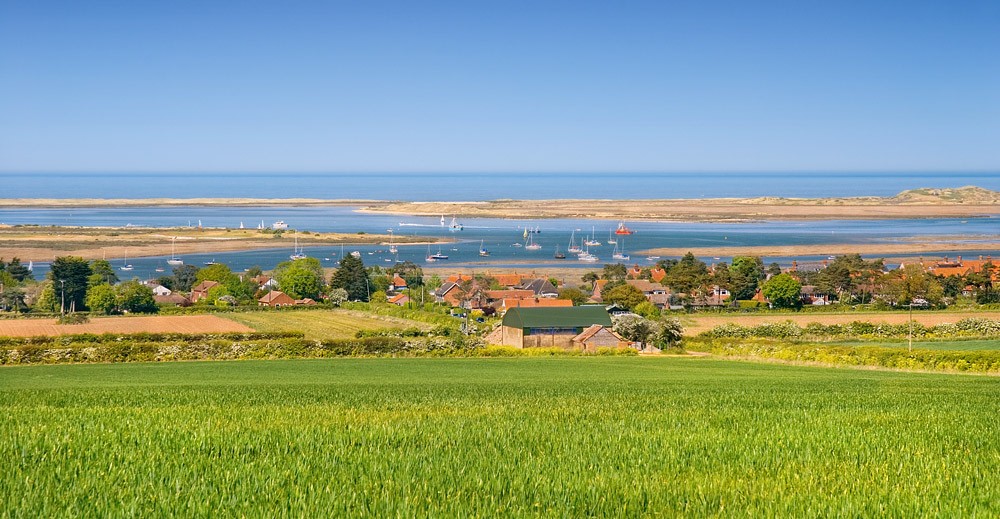
In his youth David spent time at the family’s holiday retreat in Thornham, Norfolk. With the imminence of a major war across Europe he decided to postpone his plans to go to Cambridge University. In May 1939 he volunteered for a Territorial Army unit based at Dersingham, the 5th Battalion of the Royal Norfolk Regiment (RNR) where he was awarded a Territorial commission. He was subsequently transferred to the 7th Battalion and was commissioned as a second lieutenant; he was awarded a regular commission in 1941. Physically David was characterised by his above average height, being 6ft 5 inches tall.
At the outbreak of the Second World War David was just 19 and was considered too young to go overseas. He did not therefore go immediately to France with his battalion, which was part of the 51st (Highland) Division, in 1940. He did follow later, but was not present with the battalion when it, along with the whole Division, was forced to surrender following an onslaught by the German army to conquer all of France. David was at Rouen and was, therefore, able to return to Britain.
The 7th Battalion RNR was reformed in 1941 and David was eventually promoted to be company commander of D Company. The 7th Battalion spent the next three years in undertaking guard duties against a possible invasion and in extensive training in various parts of the country. The battalion became part of the 176th Infantry Brigade of the 59th (Staffordshire) Infantry Division.
The 59th Division landed in Normandy on Gold beach on 21st June 1944 in support of the Allies’ D-Day operation and the subsequent battle for Normandy. The situation in Normandy at this point was fairly static, with the Germans putting up strong resistance; the Allies made a number of abortive operations to break out of their bridgehead in Normandy. The Americans were quickly able to take the Cherbourg Peninsular and eventually, with enormous effort, broke the German defences at St. Lo. Following this breakthrough the whole Allied line moved forward into the French hinterland. The 59th Division was charged with crossing the River Orne south of Granbosq and establishing a bridgehead. As all the bridges had been destroyed, the 7th Battalion RNR had to wade across the river and establish a position on the far bank, despite heavy shelling and casualties. The date was 6th August and Captain Jamieson was 23 years old.
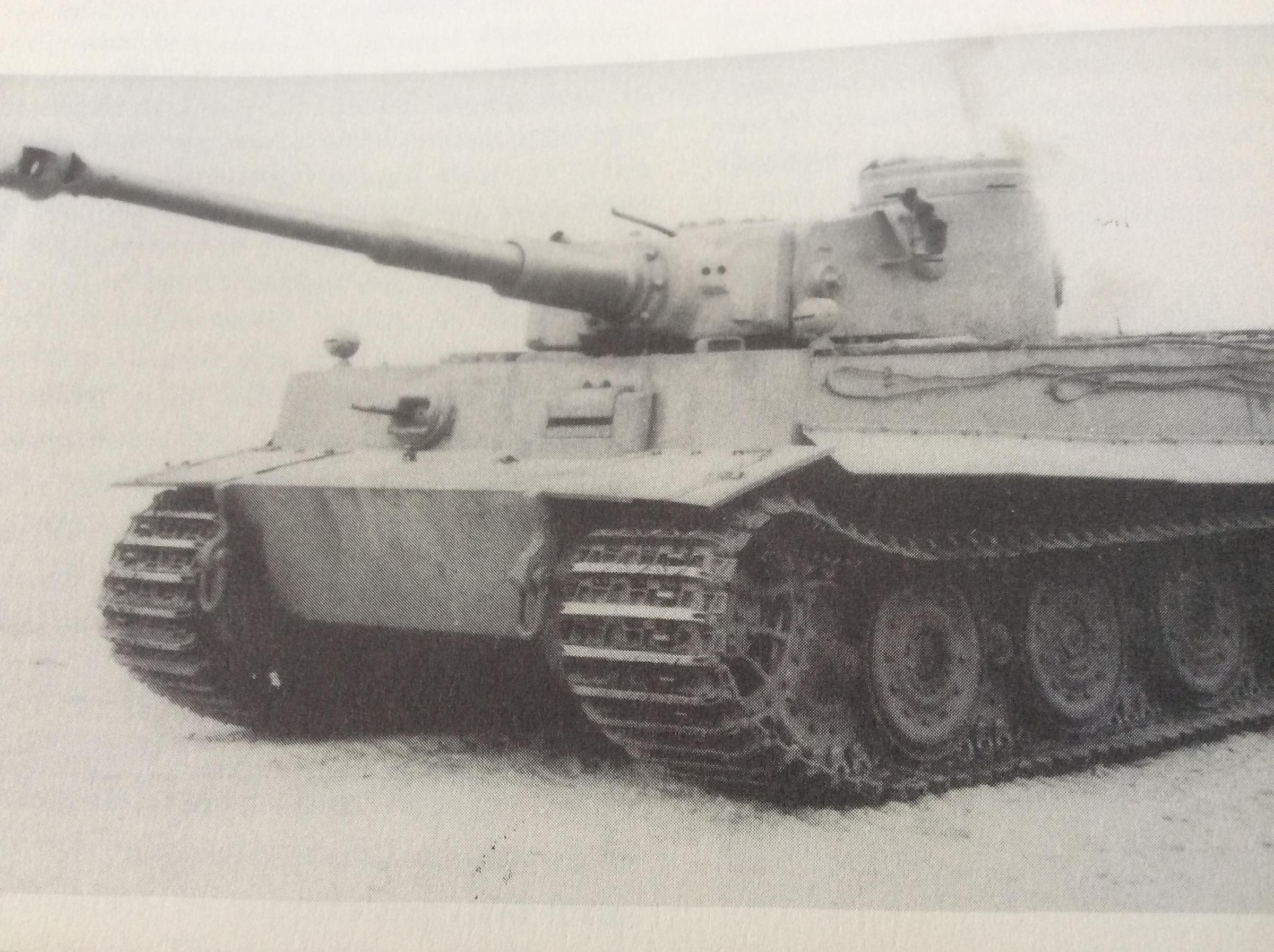
The next day the battalion was subject to a number of fierce counterattacks; D Company, with David in charge, was at the centre of the fighting. The Company was supported by three tanks, two of which were destroyed. During this attack David left his trench in full view of the enemy and clambered onto the remaining tank to direct its fire. During this period, he was severely wounded in the right eye and left forearm, but refused to be evacuated. As all the other officers had become casualties, he then reorganised his Company, regardless of personal safety, and also arranged for artillery support. His company successfully resisted all attempts to expel them from the bridgehead, which resulted in the Allies in this area being able to defeat the German counterattacks and push them into retreat.
David’s citation for the Victoria Cross read: “Captain Jamieson showed superb qualities of leadership and great personal bravery. There were times when the position appeared hopeless, but on each occasion it was restored by his coolness and determination. He personally was responsible for the holding of this important bridgehead over the River Orne and for the repulse of seven German counterattacks with great loss of life”.
After the war David stayed in the army and was promoted to Major. In 1948 he left to embark on a highly successful business career. In 1968 he was appointed a member of the Honourable Company Gentlemen at Arms, the Queen’s bodyguard. He was designated in particular as the ceremonial umbrella man to Queen Elizabeth, the Queen Mother, due to his height.
In 1980 David was High Sheriff of Norfolk, the county which was his home and in 1990 was appointed Commander of the Royal Victorian Order for his services to the Royal Household. David was by all accounts a modest and reticent person who showed great courage and forbearance when he lost his first wife in 1963 in a car accident; he had to have both his legs amputated, confining him to a wheelchair. David died in Burnham Market in May 2001 and was buried in Burnham Norton churchyard. He was survived by his second wife, a son and two daughters of his first marriage and two stepchildren, along with three grandchildren. Captain Jamieson’s Victoria Cross is displayed in the Royal Norfolk Regimental Museum in Norwich Castle.
The pictures show Major Jamieson V.C. in his younger years, his grave in Burnham Norton churchyard and a German Tiger tank.