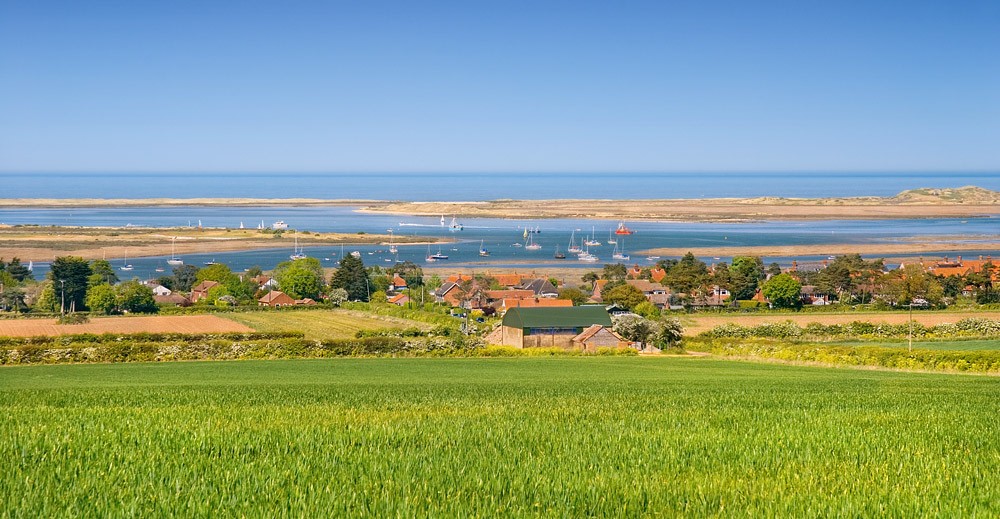
Brancaster and its surrounding area have had a long association with the military, particularly the air force. The very remoteness of its beaches and marshes meant that it had ideal conditions to be used as a firing and bombing range for the Royal Flying Corps and its successor, the Royal Air Force.
During World War One the Norfolk coast was under threat of invasion. The Royal Flying Corps set up a base at Sedgeford, a few miles inland from Brancaster, in 1915. During the rest of the war, Thornham marsh and part of Titchwell marsh was used by the Royal Flying Corps (later the RAF) as a bombing range, flying DH8 and DH9 aircraft out of Sedgeford. In 1918 a DH4 crashed on the Thornham range. The pilot was killed and was buried at nearby Stanhoe.
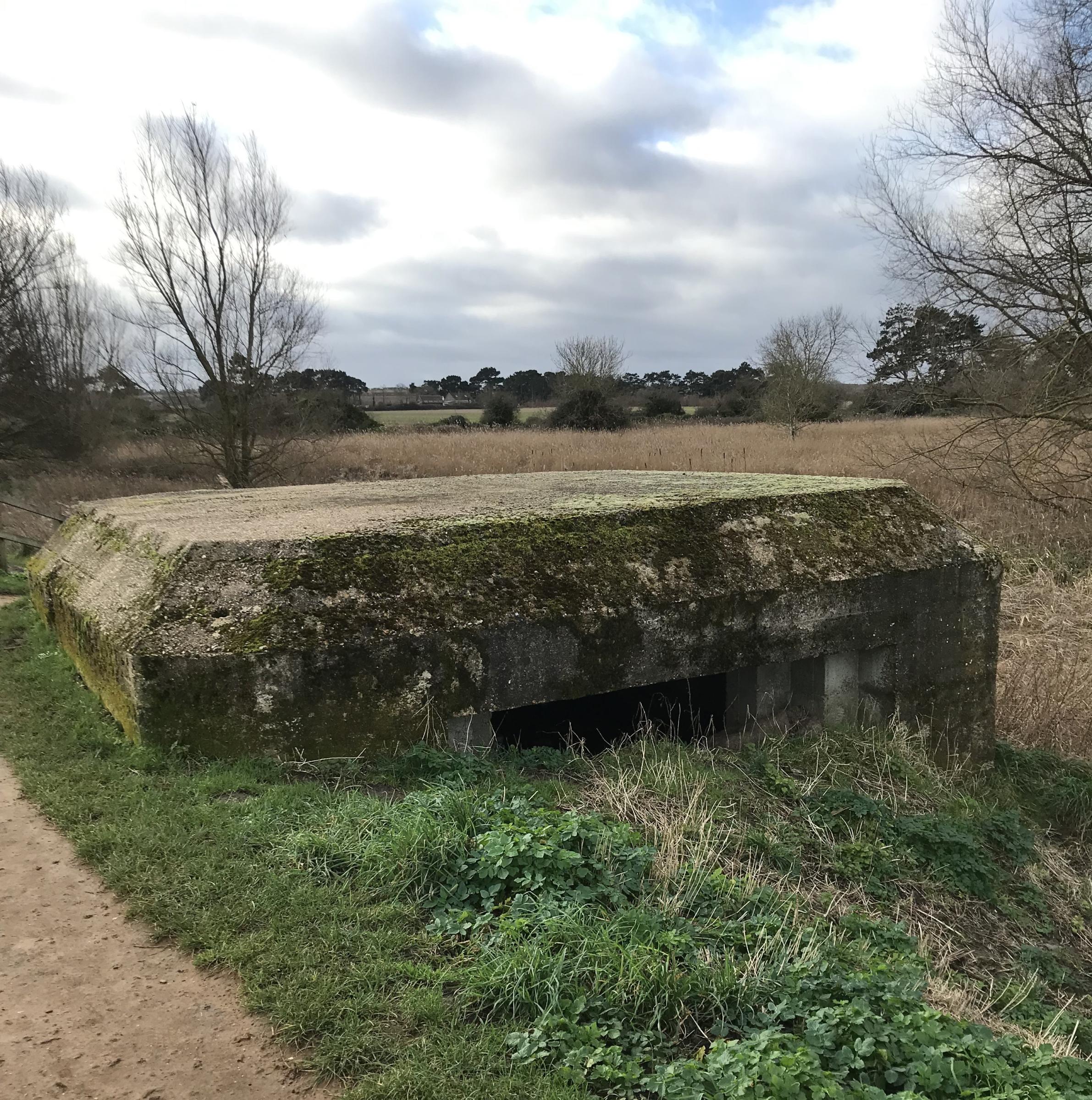
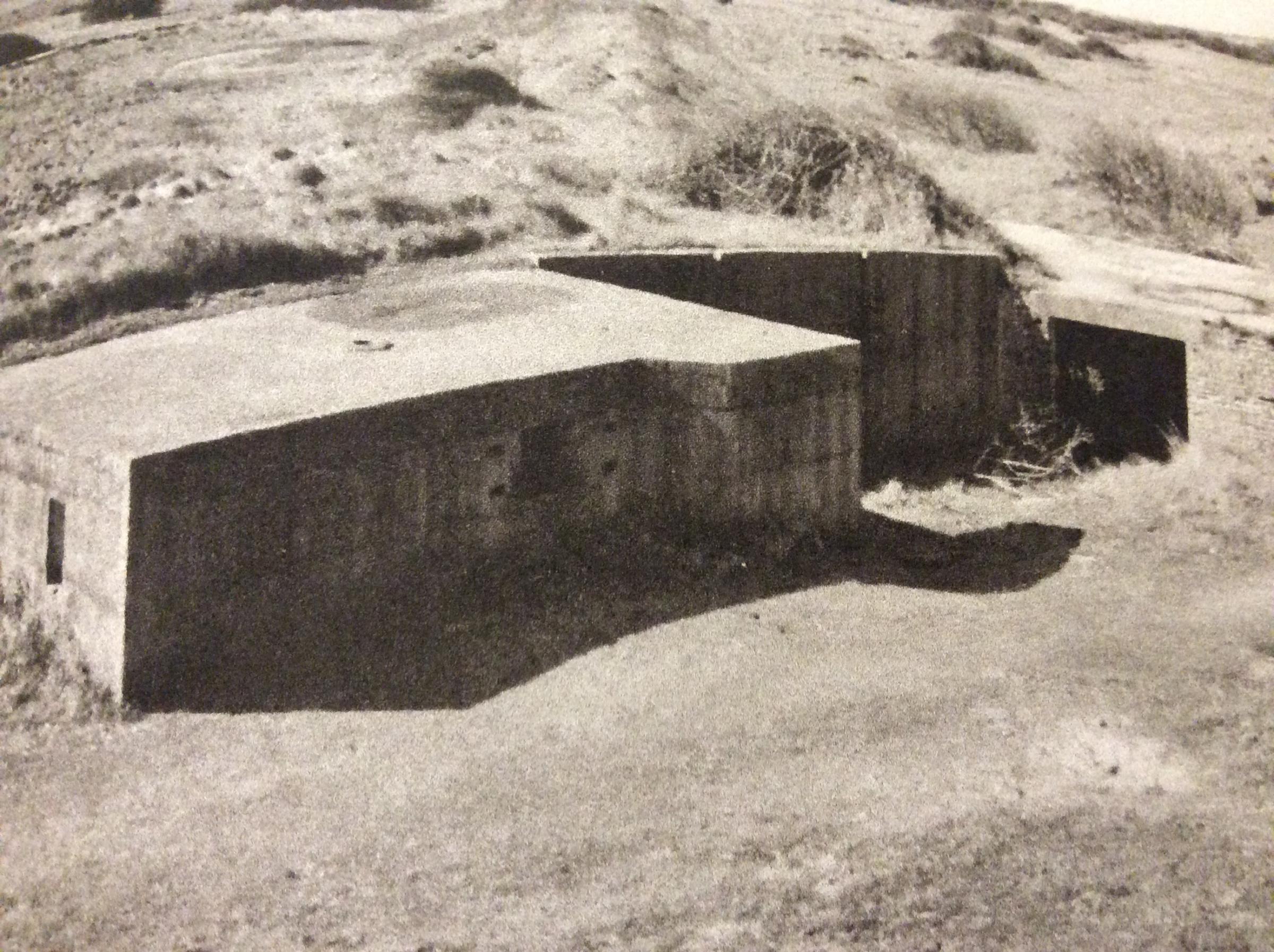
The small concrete blockhouse on Titchwell marsh was part of the range buildings. Also on the marsh there was a military hospital which was probably tented, although some brick foundations still remain, now largely sunken into mud. It was reached by a track which runs by the side of the reserve: you can sometimes see the remains in the lagoon.
During World War Two the military’s association with Brancaster and its surrounding area was maintained and enhanced. Sedgeford airfield was closed at this point, although the site was used as a decoy for Bircham Newton. Two airfields existed close to Brancaster: RAF Bircham Newton had been opened in World War One and RAF Docking in the early part of the Second World War. Both airfields were primarily concerned with Coastal Command duties over the English Channel and the North Sea.
There was much enhanced activity in the Brancaster area in late 1943 and early 1944, as the military had a strong presence on Brancaster beach and the Titchwell marshes. In particular the whole area saw tanks rumbling through the villages, being carried in huge transporters on the way to the tank firing range at Titchwell, in preparation for the D-Day landings in Normandy in June 1944.
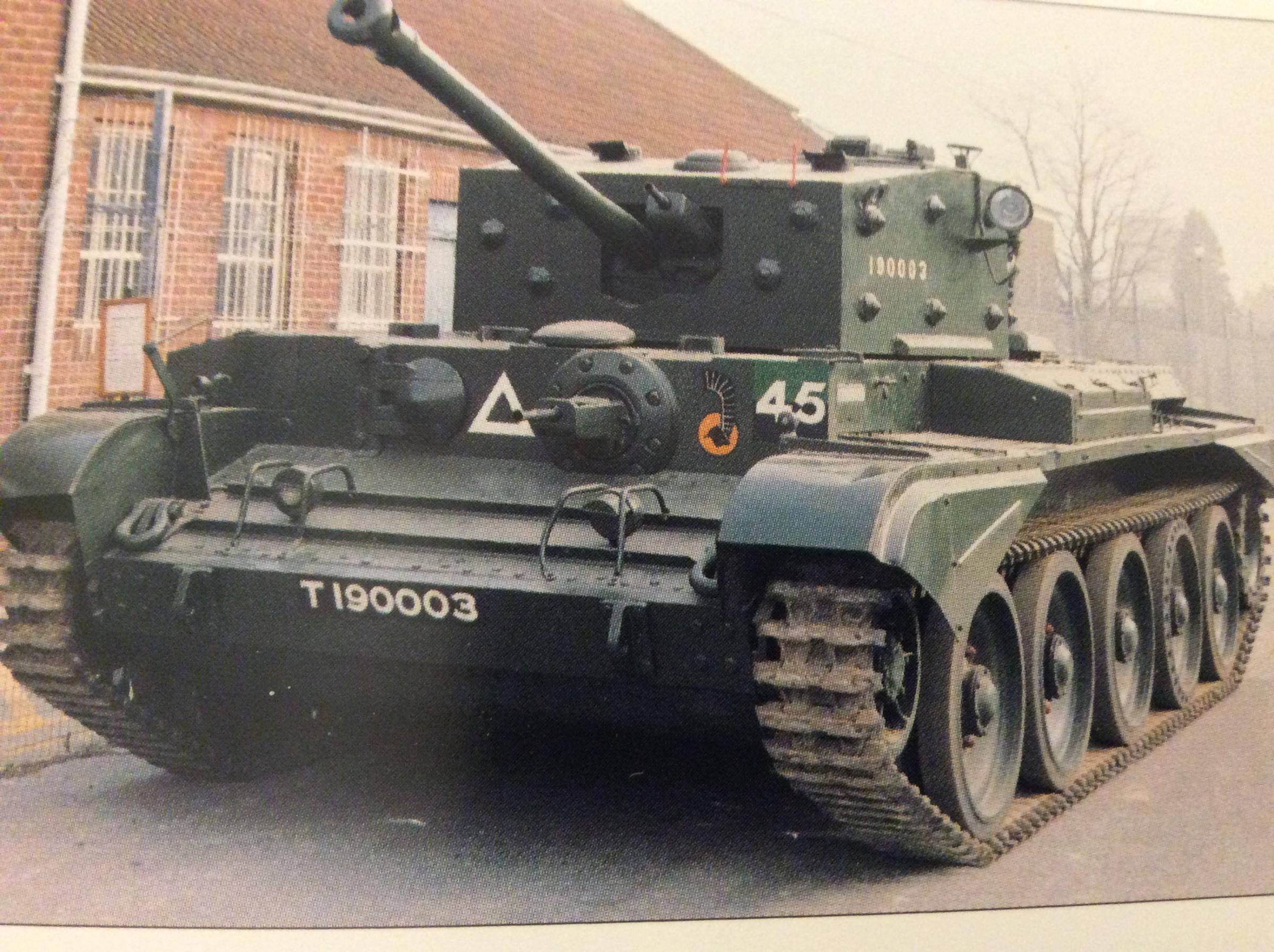
When talking to local people who lived through World War Two, the happenings at Titchwell were frequently mentioned. The Tank Regiment was based at Titchwell for the duration of the war; Cromwell, Churchill and Sherman tanks would have been common sights. According to one local resident, Paul Lake, local children had rides on the tanks. Paul and a friend once scratched their names on a tank – coincidentally this same tank later turned up as a target for Paul when he was training with the Fleet Air Arm after the war.
Betty King remembers “Wartime was noisy…..the tanks running from Titchwell to Whitehill Road”, whilst Noreen Ransom (née Large) recollects “the soldiers of the tank regiment at Titchwell marching through the village in the morning and evening, and the noise from the three artillery platforms on Whitehill Road”. Others tell of the prisoners of war who worked there and were marched from Holkham twice a day.
Hidden in the sand off Titchwell beach and now exposed at low tide are the remains of two Covenanter A13 Mark III/Cruiser Mark V tanks. According to the Bovington Tank Museum in Dorset, this was arguably the worst tank ever brought into production in Britain. No wonder they were used for target practice! Angle irons driven into the ground, with pulley wheels attached, would have carried steel wire ropes for pulling targets along the beach. One of these can be seen near the tank hulls.
Some records of the Royal Tank Regiment using the Titchwell ranges included A Squadron 4th/7th Royal Dragoon Guards, using 17 pounder guns, which needed large areas for exercises. Other units using the ranges included 13th/18th Hussars, 27th Lancers and the 22nd Westminster Dragoons, also using 17 pounders.
During World War Two the Titchwell beach was covered with anti-tank invasion obstacles and was mined and laid with barbed wire. From 1942 to 1945 part of the marsh was used by the Royal Tank Regiment as a firing range. A concrete road, next to the current RSPB car park, was built by the military for this purpose. Its triangular layout enabled the tank transporter to offload the tanks and then proceed without having to turn around (they were long!). Pop-up targets on the Fresh Marsh (a part of the reserve) were operated by cables from winches installed in a pumping house, the old foundations of which lie beneath the Island Hide. Targets on the Parrinder Hide bank, and a bank now in the dunes, were used for medium and long-range firing. These were part of the defences of the coastline and linked with Brancaster beach defences.
During this whole time the beach at Titchwell as also used by the RAF as a firing and bombing range. Prior to D-Day the RAF spent a great deal of energy developing a new form of cannon ammunition for the aircraft that would play such an important role in Overlord. The target for these cannon shells was the old vessel SS Vina, which subsequently broke its moorings off Titchwell and was driven in a storm onto the sands at the entrance to Brancaster harbour, where it still exists today.
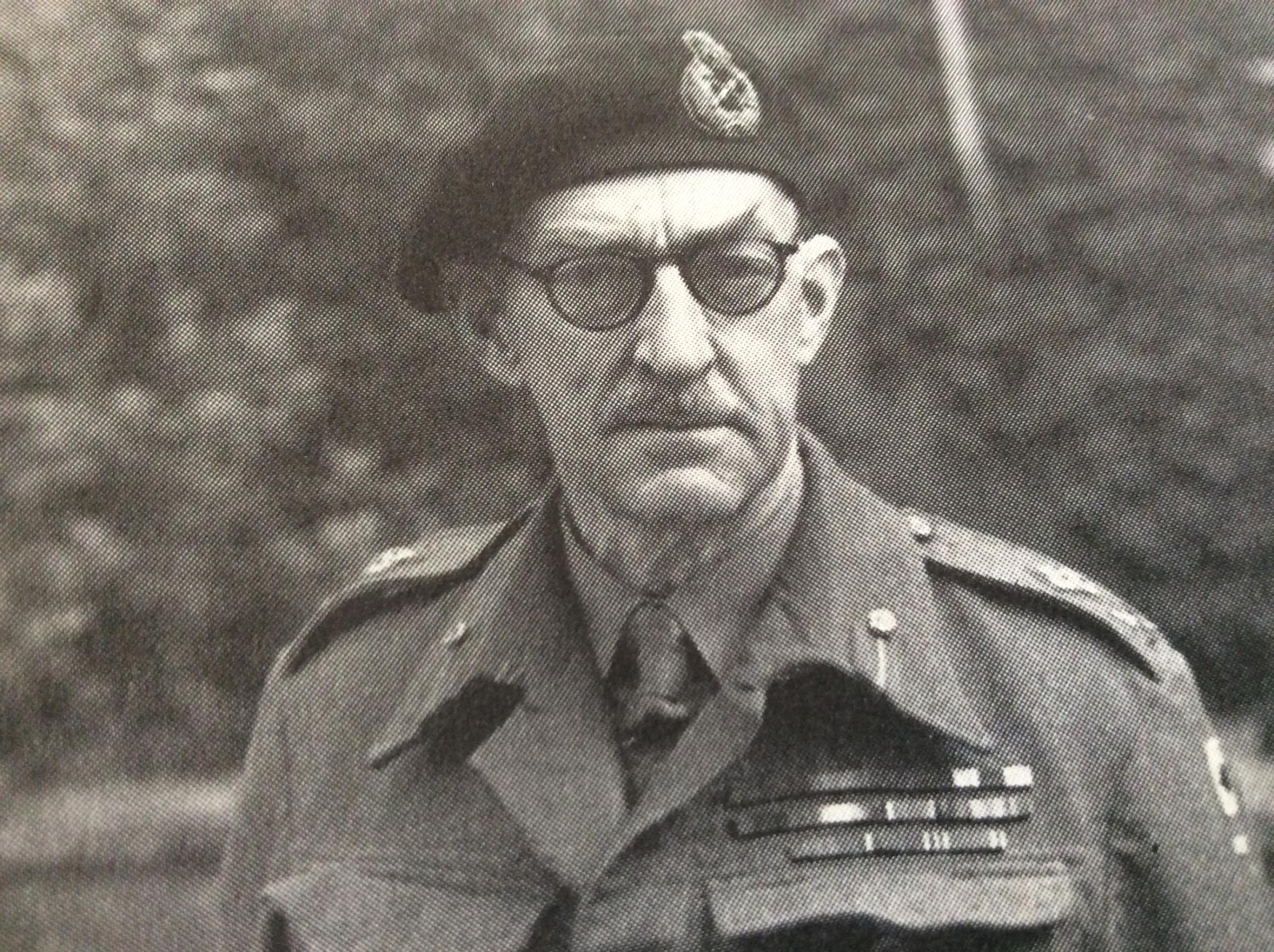
The story of Brancaster beach prior to D-Day is also of great interest and, again involves tanks, but vehicles very different from those present at the Titchwell ranges. In order to understand this story and the critical role these activities played in D-Day, we need briefly to examine the life of Major General Sir Percy Hobart. General Hobart was born in1885 in India and joined the army as an Engineer in 1904. He served throughout the First World War, earning a Distinguished Service Order and a Military Cross in the process.
In 1920 Hobart attended staff college and swiftly came to the view that armoured warfare using tanks and mobile forces was the way of the future. Hobart was forthright in his views and did not suffer fools gladly. He quickly managed to get on the wrong side of senior army officers who were, unbelievably, still wedded to horses, swords and lances, despite the disastrous experience of these troops in World War One.
Hobart raised and trained what became the 7th Armoured Division in the North African desert to a very high standard, but was sacked by the Commander-in-Chief, Wavell, for his outspoken views. Hobart became a corporal in the Home Guard but was rescued by Churchill and given the task of raising and training the 79th Armoured Division to support the D-Day landing.
Hobart oversaw the development of a number of what became known as “Funnies”, which were tanks – mainly Churchills – specially adapted for tasks on the invasion beaches. There were flail tanks for clearing mines, tanks with bobbins which laid temporary roads across the soft sand, swimming tanks, tanks with huge mortars for destroying pillboxes and strongpoints, flamethrowers and bulldozer tanks. All of these vehicles were essential in ensuring the success on the British beaches. The Americans decided that they did not want any of these specialised vehicles, except for the swimming tanks: as a consequence, the landing on Omaha beach proved very costly.
Having told the story of Hobart and the 79th Armoured Division, what was the role of Brancaster beach? The authorities quickly realised that the beach at Brancaster and the tidal ranges present there were a close parallel to those that would be experienced in Normandy. Therefore, the flail and bobbin tanks were exercised on Brancaster beach so that they would be ready for the tasks they would carry out in France. Much of this activity would have been kept secret from the local population in order to ensure that surprise was achieved in Normandy when the invasion took place. Undoubtedly exercises involving troops would also have taken place.
It can be seen that Brancaster and its environs played a big part in the D-Day operation, although many of the villagers in these areas would have been completely unaware of this. Some structures still survive on the marshes and beach from this period of history as a mute reminder of the part they played in the largest invasion ever mounted.
Between 1950 and 1959, the RAF returned to Thornham and Titchwell marshes, using them as a firing range. Aircraft that used the range were DH Meteors, Vampires and American Sabres. The main control tower was erected at the end of the RSPB West Bank Path and stood in the dunes and on the beach. It survived the 1953 floods but was demolished by the RAF on January 18th, 1962, as children (and undoubtedly others) played in it and it became unsafe; the remains lie opposite the ends of the boardwalk. In the sea buckthorn bushes at Thornham Point, to the west of the reserve, are the remains of another military tower.
The pictures show a British Cromwell tank, tank firing range buildings, Major General Hobart and the pillbox on Brancaster sea wall.