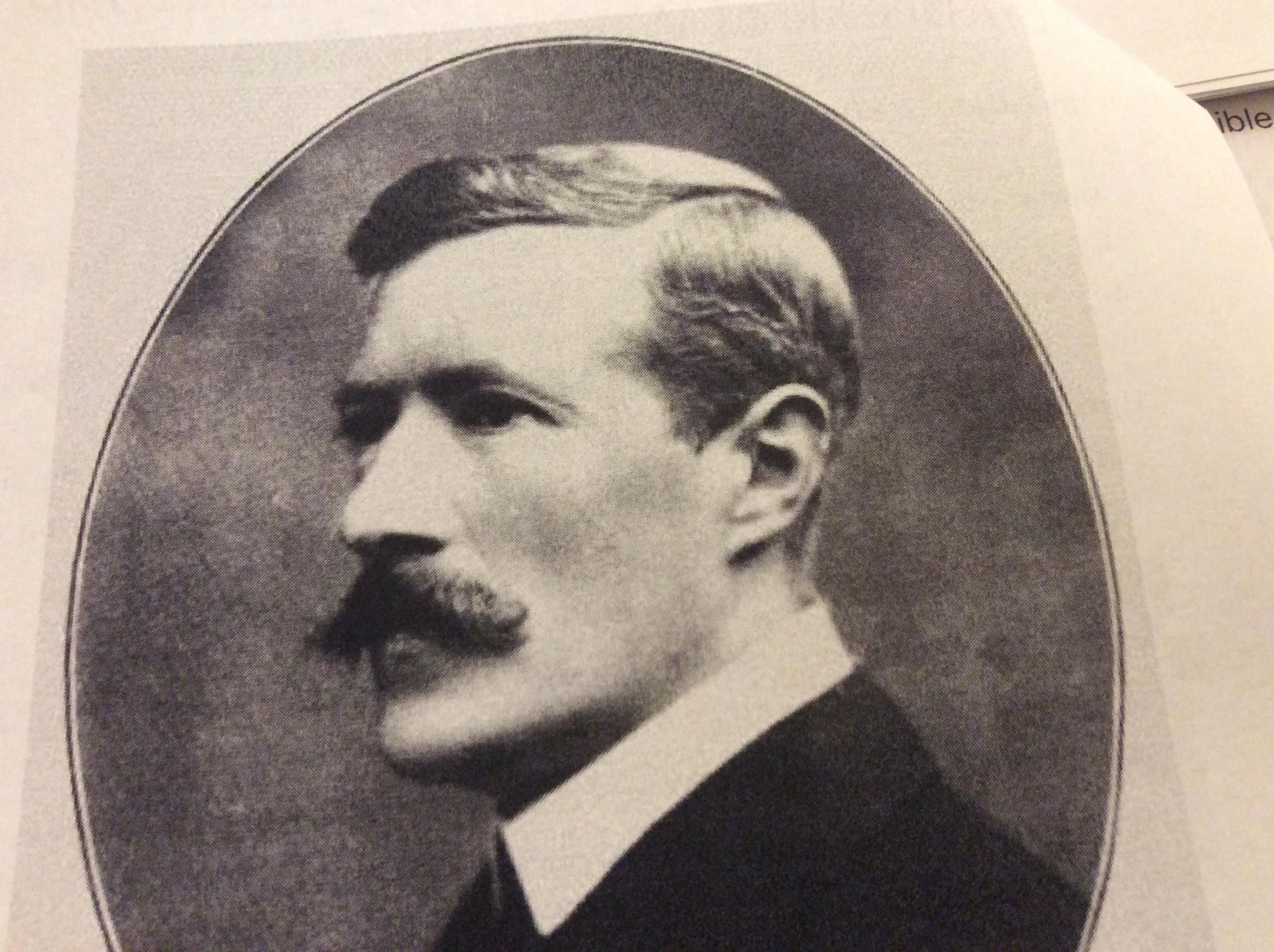
This seems a very unlikely story, but by digging down, it is clear that Hunstanton had a unique place in the development of wireless (radio) interception and direction-finding during the First World War. At the centre of this development was Richard John Bayntum Hippisley (1865-1956), referred to as Bayntum. From an early age he showed a particular aptitude for science and technology which led to an interest in wireless technology.
Bayntum followed the family tradition, serving as an officer in the North Somerset Yeomanry in the early years of the 20th century. He acquired a wireless licence from the Post Office and in 1912 operated a wireless station at The Lizard, Cornwall, where he picked up messages from the ill-fated Titanic.
In 1913 Bayntum was appointed a member of the War Office Committee on Wireless Telegraphy. At the outbreak of World War One he approached the Admiralty about setting up a network of wireless stations to intercept enemy wireless traffic. Bayntum, along with a fellow amateur enthusiast, Clarke, had already been intercepting German radio traffic at stations in London and Wales. The Admiralty enthusiastically co-opted Bayntum to work in Naval intelligence as a volunteer, reporting into Room 40 at the Admiralty, where Naval Intelligence was based. He was quickly appointed a commander in RNVR in recognition of his rank of lieutenant colonel in the army.
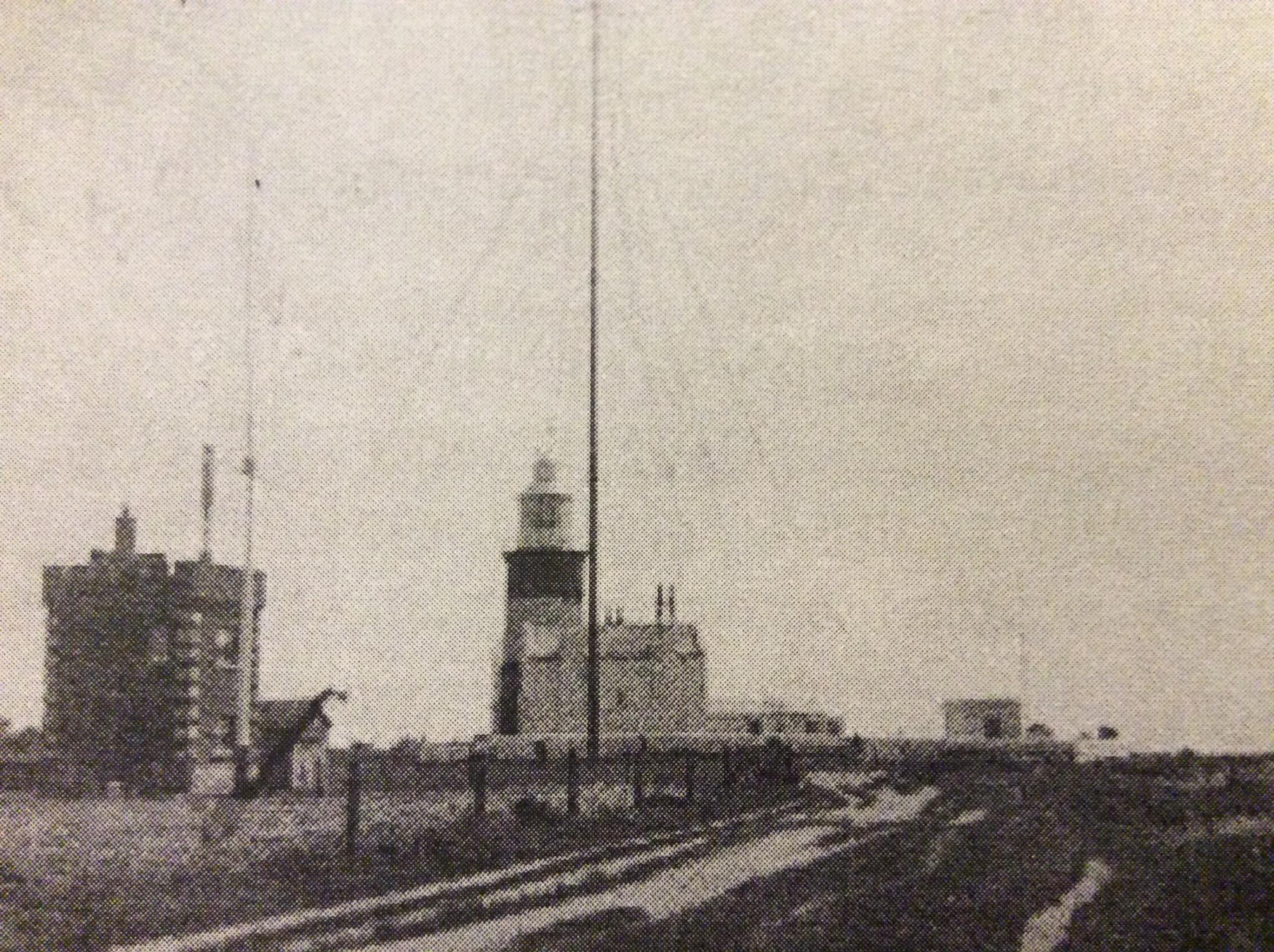
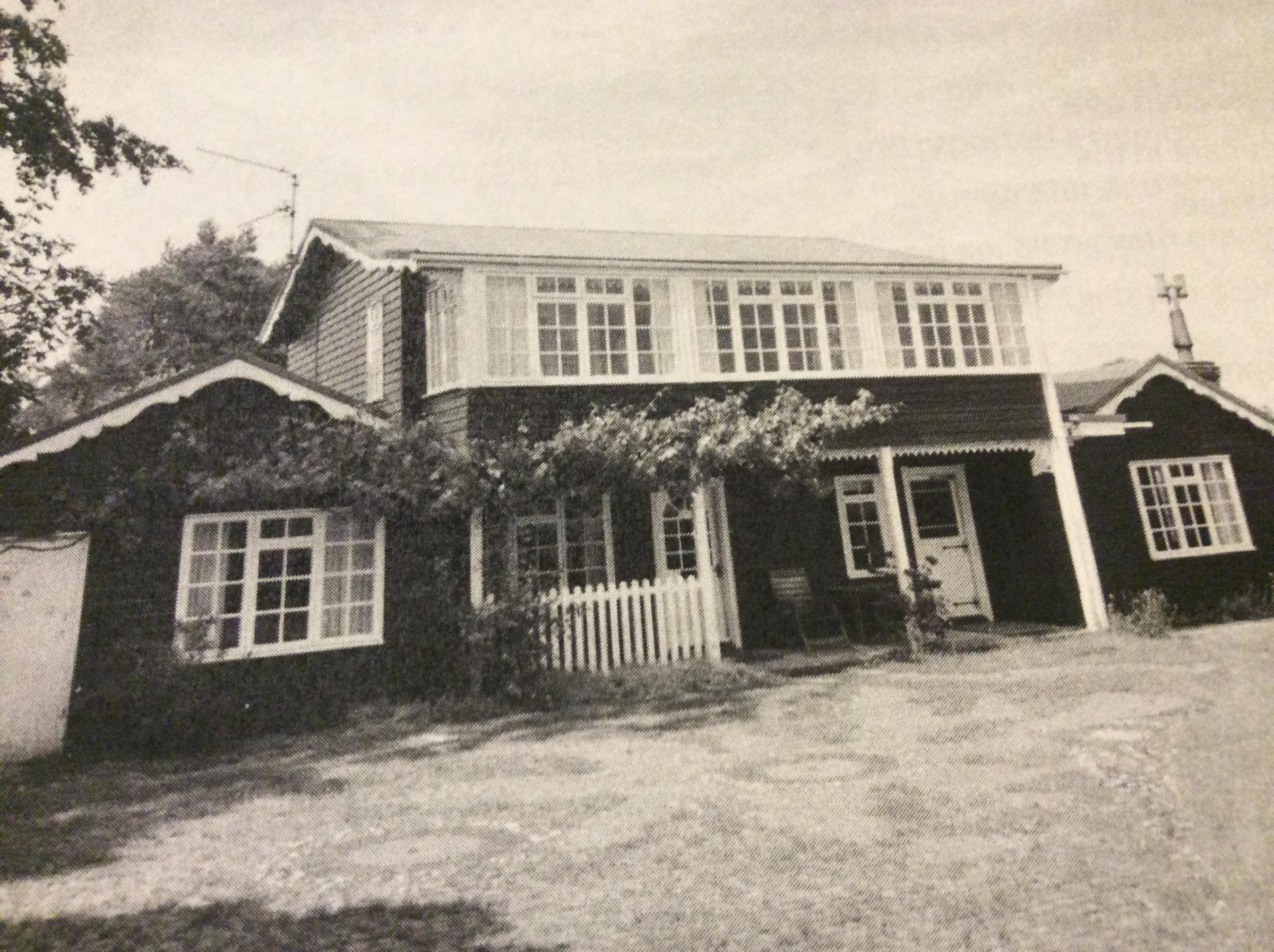
In 1914 Bayntum was sent to Hunstanton to set up a listening post at a former coastguard station, which became known as Hippisley’s Hut (still existing today). Hunstanton was chosen as it was the highest point nearest the German coast and was also home to an existing Marconi wireless station which had been established in 1909.
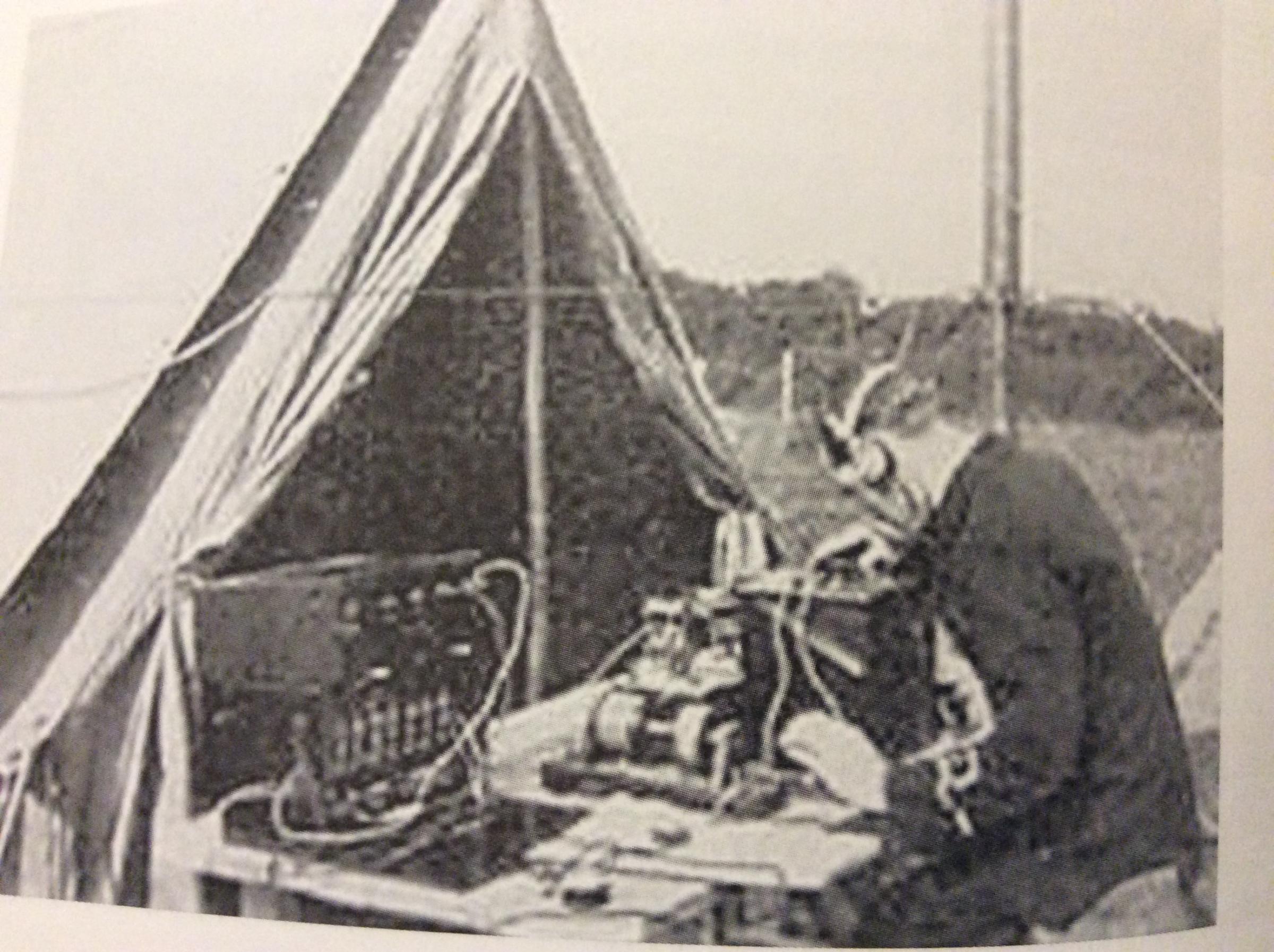
When Bayntum and Clarke arrived at Hunstanton they set up their listening station very quickly and were soon intercepting German naval and airship wireless signals. Soon a series of 14 (Y stations) were set up and working along the coast, as well as in Italy and Malta. Hunstanton also became home for a while to a wireless direction station (B station) which was used to locate the position of enemy warships and airships by triangulating their wireless signals. By using wireless interception and triangulation enemy craft could be located and intercepted, and Y and B stations played a crucial role in the Battles of Jutland and Dogger bank, as well as intercepting Zeppelin raids.
Listening to enemy wireless traffic was, however, only half the story, as signals traffic was in code, and unless tis code was broken, much of the information obtained was of no use. The job of decoding messages was taken on by Room 40 at the Admiralty, which employed translators and decryption experts in increasing numbers as the war went on. This process was helped enormously by three fortuitous events. The first was the capture of German code books and maps by the Russians from the cruiser Magdeborg, which had been sunk. The second event was the seizing of code books by the Australians from the German steamer Hobart and the third, the recovery by a British trawler of a safe containing codes from the sunken German destroyer S119.
Room 40 was overseen by the Director of Naval Intelligence; at the start of the war, when messages began to arrive from the Y stations, he employed the Director of Naval Education to set up the decryption service which initially engaged teachers and academics with expertise in languages and mathematics. Immediately there was a tension between the information derived by intelligence and who should receive it, so as not to inform the Germans that the codes had been broken or were being read from captured code books. In the end, only the most senior officers (Commander-in-Chief) and politicians (Prime Minister and Lord of the Admiralty) were initially privy to the decoded messages.
Perhaps the most important message decrypted was the Zimmerman telegram which had been sent from Germany to Mexico, offering USA territories if Mexico joined the war on the German side. This was shared with the USA and was instrumental in bringing America into the war on the Allies’ side.
In 1919 Room 40 was deactivated and its function merged with Army Intelligence to form the Government Code and Cypher School at Bletchley Park. After the Second World War this became the Government Communications Headquarters (GCHQ), based in Cheltenham, which exists today.
As for Bayntum, he was awarded a CBE for his work and, on his death in 1956, an admiral wrote: “He was one of the men who really won the war”, a fitting tribute to a largely unsung hero, and to the role Hunstanton played in the First World War.
The reason that this article is included in the 1940s commemoration is that from these very rough and ready operations the Bletchley Park facility arose, and this played a major role in the Second World War. In particular, the code breaking and radio interception at Bletchley Park were instrumental in the defeat of the U-boats in the Battle of the Atlantic. The code breakers were also key to the critical information provided to Allied commanders during the D-Day operations on German defences and movements of troops and aircraft. It is from the beginnings that were made in the First World War that these war-winning interceptions were made and D-Day was such a success.
The pictures show Bayntum Hippisley, his house in Old Hunstanton and the early radio interception equipment adjacent to the lighthouse in Hunstanton.