What is a sea mine, and what is its purpose? It is thought that sea mines, like so many other things, were invented by the Chinese in the 16th century. They are devices which contain explosives and are placed in the water to damage or destroy ships and other sea craft. Mines come in a variety of types, including moored, contact, proximity, magnetic, acoustic and drift; they can be laid by specialised or converted ships, by submarines or aircraft. Their purpose is either offensive – to hamper ship movements or lock them in harbours – or defensive, to protect friendly vessels and create safe zones. They are easy to sow, and very difficult to sweep and deactivate.
Further questions may be asked: why should mines and minesweeping be a subject of D-Day stories, and what role did North Norfolk play in the minesweeping story? It is on the answer to just these questions that this article will focus.
Shortly after the start of World War II the Government requisitioned a large number of trawlers and drafters to undertake a range of tasks, from mine laying and minesweeping to harbour and convoy protection. Many of the crews of these vessels were also taken into the Royal Navy to crew the ships. Clearly, a number of trawlers based in Norfolk were part of this requisitioning programme and, as the story of “Harry Tate’s Navy” shows, this also meant that Norfolk fishermen played an active part in the war effort.
The national German sea effort in the war was to sink as many ships around the coast, or coming to Britain, as they could. A cheap and effective way of damaging and sinking shipping was, of course, to sow mines in areas that it frequented. This had a significant impact on coastal and fishing craft off Norfolk – vessels were sunk, and seamen killed.
A further link with D-Day occurred on the actual day itself, as some converted fishing trawlers were employed in sweeping channels up to the invasion beaches. Trawlers were used because of their shallow draft and the fact that they were constructed of wood, which meant they were immune to most types of mine used at that time: these did not depend on direct contact but were triggered by magnetic proximity or pressure. The sweeping of mines off the D-Day coast and in lanes across the English Channel was code-named “Operation Neptune”.
Like everything else, the technology of mine warfare advanced quickly over the course of the Second World War. The initial moored contact mines were supplemented by pressure, magnetic, proximity, bottom and drift mines. All these had to be swept, and so the technology for minesweeping had to keep pace. Sweeping became either active, using wires and cutters, or passive, by changing the speed at which ships passed across possible mined areas, or by degausing the ship to negate the magnetic mines. Intelligence about mines was greatly assisted by bomb disposal officers being able to dismantle mines to see how they were triggered and invent ways in which they could be defeated.
Fishing off the Norfolk coast, which would have included – amongst other areas – the Staithe and Wells, became very hazardous, particularly when the Germans began to use aircraft in some numbers to drop aerial mines to destroy coastal craft. They were supported by the new E boats – extremely fast, heavily armed motor torpedo boats – to drop mines. Fishing vessels also suffered from drift mines that had either broken their moorings or had been deliberately set to drift into sea lanes.
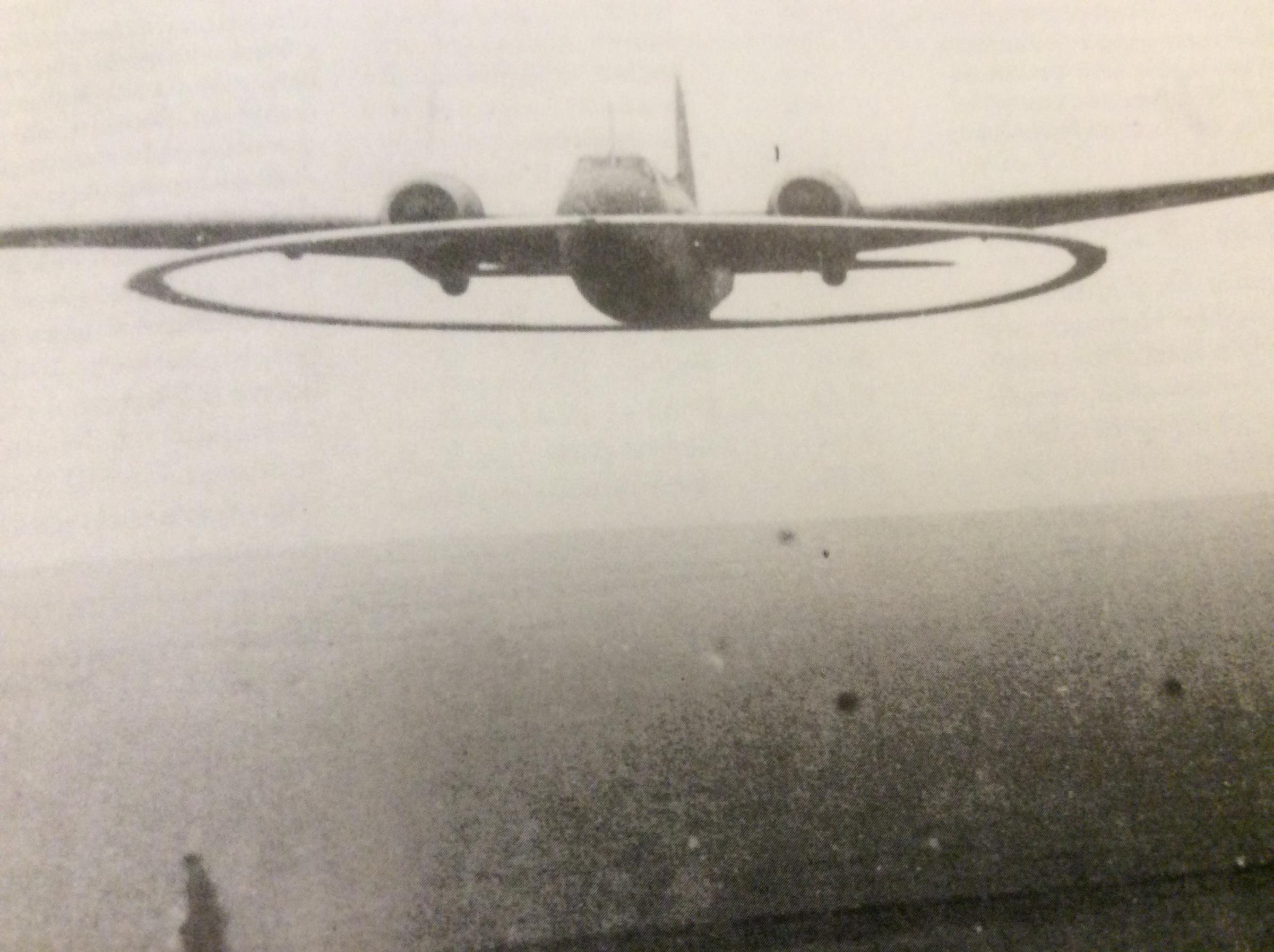
One of the imaginative ways in which mines were cleared was to use specially converted aircraft, particularly Vickers Wellingtons, to fly low over the water and magnetically explode any mines encountered. These aircraft would have been flown from Bircham and Docking on occasion and were used specifically to explode magnetic mines.
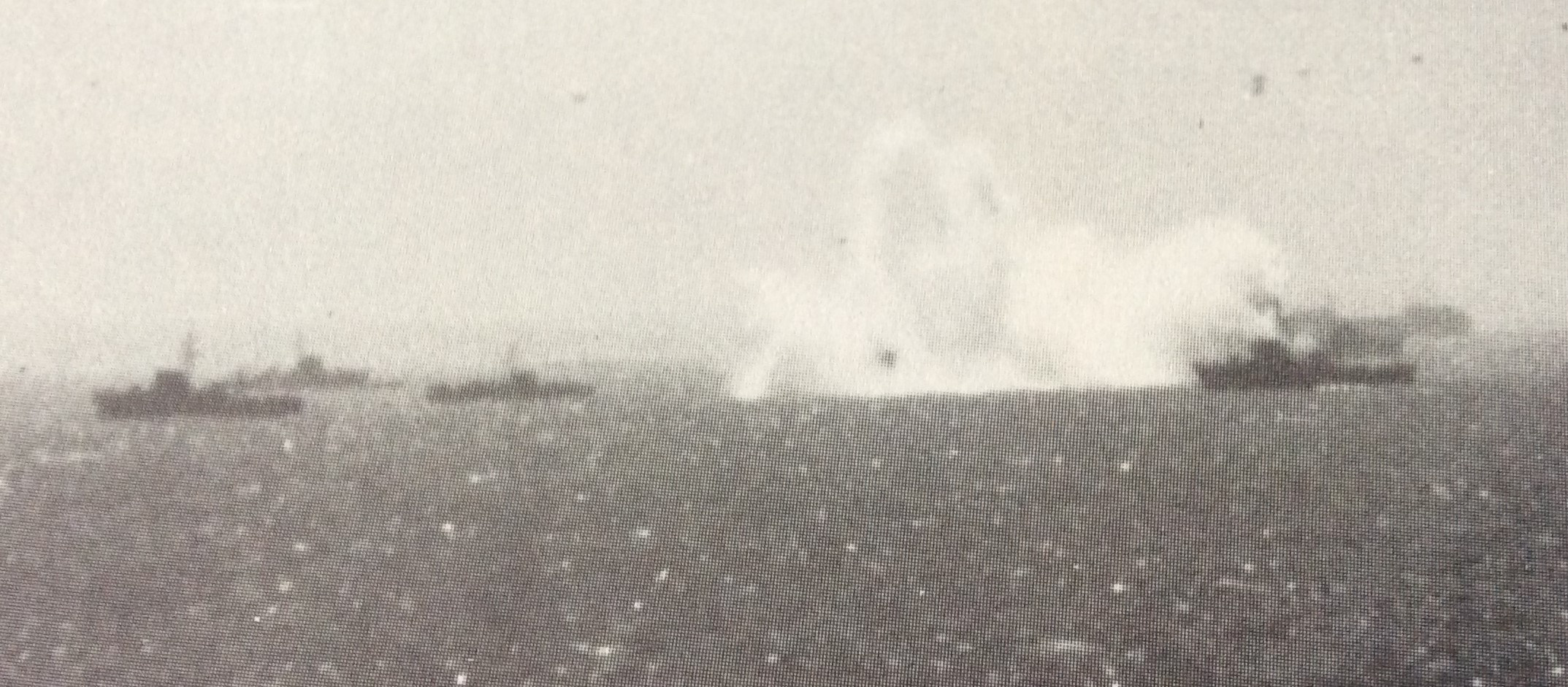
D-Day was the largest minesweeping effort organised during the war, with 350 sweepers employed: these ranged from fleet minesweepers to converted trawlers. Sweepers were the ships that operated closest to the Normandy beaches and, as a consequence, needed to dodge fire from coastal batteries. The role of the sweepers and their critical contribution to the success of the D-Day landings is almost totally ignored in accounts of Operation Overlord. In recognition of the role, however, an American admiral stated “It can be said without fear of contradiction that minesweeping was the keystone in the arch of this operation. All the waters were suitable for mining, and plans of unprecedented complexity were required. The performance of minesweepers can only be described as significant.”
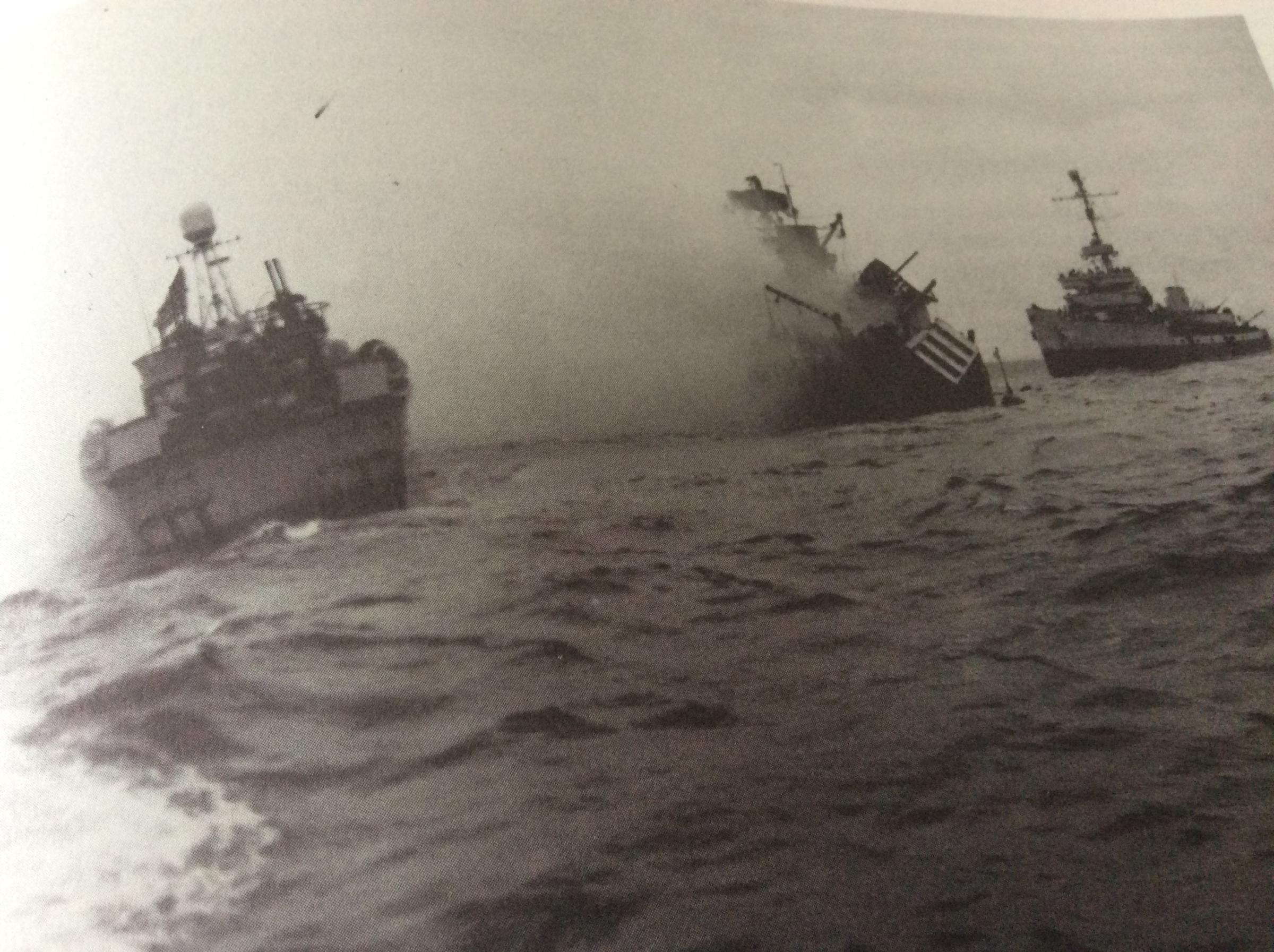
The pictures show the following:
- A specially equipped aircraft flying low to detonate magnetic mines
- BYMS minesweepers off the coast of Normandy on D-Day
- The dangers of minesweeping
- A typical moored or drift mine